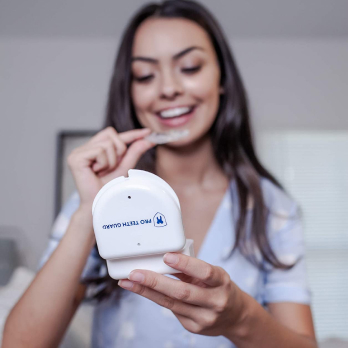
Is Bruxism Curable?
21st Jun 2026

If you wake up with sore jaws, headaches, or teeth that feel sensitive, you may be experiencing bruxism, the habit of grinding or clenching your teeth, often while you sleep.
It’s a common problem that affects millions of adults and children worldwide. But here’s the big question many people ask: Is bruxism curable?
While there isn’t always a permanent cure, there are effective ways to treat, manage, and even stop bruxism from damaging your teeth and jaw. Let’s break it down.
Can Bruxism Be Cured Permanently?

The short answer is: not always — but it can be managed successfully.
Bruxism is often a response to another underlying issue such as stress, sleep disorders, or bite alignment problems. Because it’s a habit linked to both the mind and body, treatment focuses on controlling triggers and protecting your teeth, rather than curing it overnight.
Recent research supports this holistic view.
A clinical review by NCBI notes that sleep-related bruxism can cause significant damage and is best managed through counselling, lifestyle adjustments, oral devices, and medication.
Likewise, a 2023 overview of 31 systematic reviews found that treatments like oral appliances, biofeedback, and physical therapy can reduce bruxism episodes, though results vary.
A 2023–2024 BioMed Central review also confirmed that adjustable and biofeedback splints are often more effective, underscoring the need for individualized management.
Note: That means your goal isn’t to “fix” bruxism instantly, but to reduce grinding frequency and intensity until symptoms fade, sometimes for good.
What Causes Bruxism?
Understanding what’s behind your grinding helps determine how to manage it effectively. Here are the most common causes:
1. Stress and Anxiety
Stress is one of the strongest triggers. When your body stays tense, your jaw muscles tighten, even while you sleep. Studies show a strong link between chronic stress and both daytime and nighttime bruxism.
2. Sleep Disorders
People with sleep apnea or disrupted sleep cycles often experience bruxism. It’s a subconscious reaction that occurs during light sleep stages.
3. Bite or Jaw Alignment Issues
If your teeth don’t align properly, your jaw may clench or grind to “find” the correct resting position. Over time, this mechanical imbalance can worsen bruxism.
4. Medications or Neurological Factors
Certain antidepressants (like SSRIs) and neurological conditions can increase muscle activity during sleep, leading to involuntary grinding.
Related Articles:
- The Relationship Between Bruxism and Stress
- Can a Misaligned Bite Cause Bruxism?
- Antidepressants And Teeth Grinding
Bruxism Treatment Options That Work

You can’t always stop bruxism overnight, but you can protect your teeth and reduce discomfort with the right combination of treatments.
Stress Management & Relaxation
Bruxism often decreases when you reduce tension. Try mindfulness, deep breathing, therapy, or yoga. Relaxing before bed, and cutting back on caffeine, helps lessen nighttime grinding.
Correcting Bite Alignment
If your dentist finds bite irregularities, they may recommend orthodontic adjustments or dental restorations to even out pressure points and reduce muscle strain.
Medical Treatments
For severe cases, Botox injections can help relax overactive jaw muscles, reducing clenching. Some patients also benefit from sleep disorder treatments or medication adjustments prescribed by a doctor.
Lifestyle Habits
Small daily changes make a big difference:
- Avoid chewing gum or biting on hard objects
- Limit alcohol and caffeine before bed
- Maintain consistent sleep patterns
Custom Night Guards
A custom-fit night guard is one of the most effective and affordable ways to manage bruxism. It acts as a protective barrier between your upper and lower teeth, preventing wear and strain on your jaw muscles.
Note: Night guards don’t “cure” the root cause, but they prevent damage while you work on long-term solutions such as stress control or bite correction.
Related Articles:
- The Right Night Guard Thickness for Bruxism
- How Should a Night Guard Fit?
- How to Get Used to Wearing a Night Guard
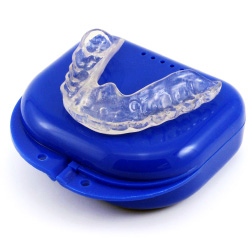
- Most Popular
- Hard Outside, Soft Inside
- 2MM Thick
- Moderate / Heavy
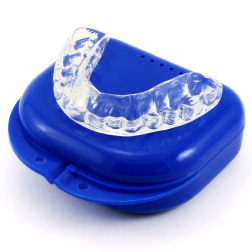
- Most Durable
- Hard Materials
- 1.5MM Thick
- Heavy / Severe
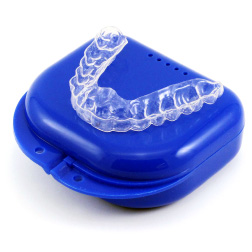
- For Day Time Use
- Thin, Barely Visible
- 1MM Thick
- Light / Moderate
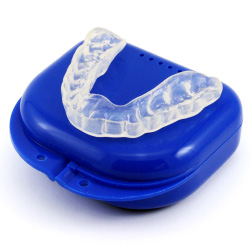
- For Clenching
- Flexible & Soft
- 1.5MM Thick
- Light / Moderate
Can Bruxism Go Away on Its Own?
In children, bruxism often resolves naturally as their teeth and jaw develop.
According to the Mayo Clinic, many children outgrow teeth grinding without any need for treatment. This usually happens as they reach adolescence and sleep patterns stabilize.
In adults, however, bruxism rarely goes away on its own unless the underlying cause is identified and addressed.
A recent systematic review by Tokushima University found that while treatments such as occlusal appliances can significantly reduce symptoms, complete resolution is uncommon without managing root factors like stress, sleep disturbances, or bite misalignment.
Note: With consistent management, including night guard use, stress reduction, and regular dental monitoring, most adults experience substantial improvement and, in some cases, long-term relief.
When to See a Dentist
Don’t ignore the warning signs of bruxism. If you experience persistent jaw pain, morning headaches, tooth sensitivity, or notice worn, flattened, or chipped teeth, it’s time to see your dentist.
You may also hear clicking or locking sounds in your jaw, or your partner might notice grinding noises during sleep. These symptoms often indicate ongoing grinding or clenching that can damage your teeth and jaw joints over time.
Frequently Asked Questions About Bruxism
Is there a permanent cure for bruxism?
There’s no single cure, but it can be well managed. Treating the causes, like stress, sleep issues, or bite problems, along with using a night guard can greatly reduce or stop grinding.
Does a night guard stop teeth grinding?
A night guard doesn’t stop grinding, but it protects your teeth from damage. It reduces enamel wear, jaw pain, and helps prevent further issues over time.
How long does it take to see improvement from bruxism treatments?
Some people notice relief within a few weeks, especially with regular night guard use and relaxation techniques. Others may need a few months of consistent care.
The Takeaway
By understanding the triggers, protecting your teeth, and addressing stress, you can live comfortably and confidently, without the constant worry of grinding damage.
Ready to take the first step? Protect your teeth from bruxism damage with a custom night guard designed for your comfort and peace of mind.
References:
- Lal SJ, Sankari A, Weber KK. Bruxism Management. In: StatPearls [Internet]. Treasure Island (FL): StatPearls Publishing; 2025 Jan-. Updated May 1, 2024. Available from: https://www.ncbi.nlm.nih.gov/books/NBK482466/ NCBI
- Soares-Silva L, Silva de Amorim C, Baraúna Magno M, et al. Effects of different interventions on bruxism: an overview of systematic reviews. Sleep Breath. 2024 Jun;28(3):1465-1476. doi:10.1007/s11325-023-02961-7. Available from: https://pubmed.ncbi.nlm.nih.gov/38177829/ PubMed
- Papageorgiou SN, et al. Comparative analysis of different types of occlusal splints for the management of sleep bruxism: a systematic review. BMC Oral Health. 2023;23:??? (number not clearly listed). Available from: https://bmcoralhealth.biomedcentral.com/articles/10.1186/s12903-023-03782-6 BioMed Central
- Mayo Clinic Staff. Teeth grinding (bruxism) – Symptoms and causes. Mayo Clinic. Updated 2024. Available from: https://www.mayoclinic.org/diseases-conditions/bruxism/symptoms-causes/syc-20356095 Mayo Clinic
- Minakuchi H, Fujisawa M, Abe Y, Iida T, Oki K, Okura K, Tanabe N, Nishiyama A. Managements of sleep bruxism in adults: A systematic review. Jpn Dent Sci Rev. 2022;58:124-136. doi:10.1016/j.jdsr.2022.02.004.
- Mayo Clinic Staff. Teeth grinding (bruxism) – Diagnosis and treatment. Mayo Clinic. Updated 2024. Available from: https://www.mayoclinic.org/diseases-conditions/bruxism/diagnosis-treatment/drc-20356100 Mayo Clinic
- Most Popular
- Hard Outside, Soft Inside
- 2MM Thick
- Moderate / Heavy
- Most Durable
- Hard Materials
- 1.5MM Thick
- Heavy / Severe
- For Day Time Use
- Thin, Barely Visible
- 1MM Thick
- Light / Moderate
- For Clenching
- Flexible & Soft
- 1.5MM Thick
- Light / Moderate