Multiple Sclerosis Teeth Grinding
18th Apr 2026
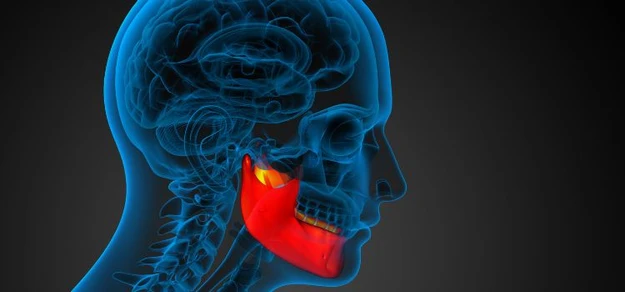
People living with multiple sclerosis (MS) can experience a wide range of symptoms, including some that affect the jaw and facial muscles. In some cases, that may include teeth grinding, also called bruxism.
Teeth grinding is common and can happen for many reasons, such as stress, sleep issues, muscle tension, or medication side effects. But for people who already have MS, the condition and its related symptoms may sometimes play a role.
This article explains what researchers have found about the possible link between multiple sclerosis and teeth grinding, the signs to watch for, and ways to protect your teeth and reduce discomfort.
Can Multiple Sclerosis Cause Teeth Grinding?
Teeth grinding, or bruxism, isn’t a well-known symptom of MS, but it can happen. MS affects the nervous system, and when nerves misfire or muscles become stiff, it can lead to jaw clenching or grinding.
A comparative study found that 29.7% of MS patients experience bruxism, compared to just 12.4% of healthy controls, a significant difference.
Additionally, researchers noted that MS patients who grind their teeth tend to have higher disability scores (EDSS), implying that more advanced MS may increase bruxism risk
Other research examined jaw-clenching behavior and found that MS patients showed more than six times the normal movement of the temporal bone when clenching their jaws, indicating altered muscle and nerve control
Note: These findings suggest that while MS may not directly cause bruxism, nerve dysfunction, muscle spasms, and disease progression can contribute to higher rates of grinding in people with MS.
Common Signs of Teeth Grinding in People with MS
If you have MS and think you might be grinding your teeth, here are some signs to watch for:
- Jaw pain or tightness, especially in the morning
- Headaches, often around the temples
- Worn-down, chipped, or sensitive teeth
- Cracking or popping sounds when moving your jaw
- Tired or sore facial muscles
- Interrupted sleep or waking up feeling unrested
Note: These symptoms can build up over time, so it’s important to catch them early. If you’re noticing more than one of these, teeth grinding could be the cause.
Related Articles:
What Causes Teeth Grinding in MS Patients?

There isn’t one single cause, but several MS-related factors may lead to teeth grinding:
Muscle Spasms and Tightness
MS can damage nerves that control jaw and facial muscles. A 2011 study found that during jaw clenching, MS patients showed nearly six times more movement in the temporal bones than healthy controls, indicating altered neuromuscular control that may trigger bruxism.
Medication Side Effects
Many MS patients take medications like SSRIs, stimulants, or fatigue treatments that can lead to bruxism. In fact, research shows antidepressants, especially SSRIs, are often linked to teeth grinding, with some patients developing symptoms within 2 to 4 months of starting therapy.
Stress and Fatigue
Living with MS is physically and emotionally draining. Stress and sleep disruption, common in MS, are known triggers for nighttime teeth grinding.
Jaw Misalignment or TMJ Problems
MS-related muscle imbalances and neurological changes can contribute to TMJ disorders, making it easier for the jaw to misalign and for grinding to occur.
Note: Understanding what’s triggering your bruxism is the first step toward finding relief. A dentist or neurologist can help identify the cause and recommend the right solution.
How to Manage Teeth Grinding with MS
While you can’t control every symptom of MS, there are ways to reduce teeth grinding and protect your smile. Here are a few helpful tips:
Practice Stress Relief
Try simple techniques like deep breathing, stretching, or meditation. Reducing stress, especially before bed, can ease jaw tension.
Use a Warm Compress
Applying a warm cloth to your jaw can help relax tight muscles and relieve pain.
Try Jaw Exercises or Physical Therapy
Gentle jaw stretches or working with a physical therapist can improve movement and reduce clenching.
Watch Your Diet
Avoid hard or chewy foods that strain the jaw. Stick to soft meals if your jaw feels sore or tired.
Check Your Medications
If you think your medications might be causing grinding, talk to your doctor. They may adjust your dose or suggest alternatives.
Wear a Night Guard
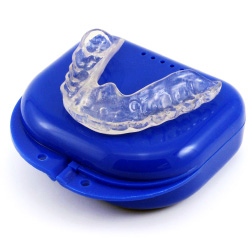
A custom-fit night guard is one of the best ways to protect your teeth from grinding damage. It cushions your bite and reduces pressure on your jaw.
Related Articles:
- Types Of Night Guards
- The Right Night Guard Thickness for Bruxism
- Dentist Night Guard vs. Over-The-Counter
- Most Popular
- Hard Outside, Soft Inside
- 2MM Thick
- Moderate / Heavy
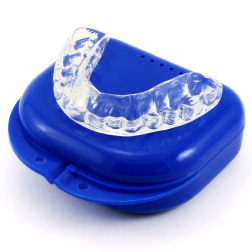
- Most Durable
- Hard Materials
- 1.5MM Thick
- Heavy / Severe
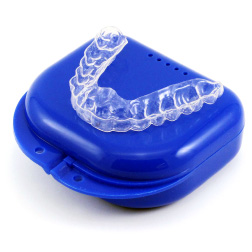
- For Day Time Use
- Thin, Barely Visible
- 1MM Thick
- Light / Moderate
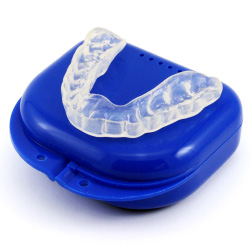
- For Clenching
- Flexible & Soft
- 1.5MM Thick
- Light / Moderate
When to Talk to Your Dentist or Neurologist
If you think MS is causing you to grind your teeth, it’s important to get support from a healthcare professional. Here’s when to reach out:
- You have constant jaw pain or tightness
- You notice worn, chipped, or sensitive teeth
- You wake up with headaches or facial soreness
- Your sleep feels disrupted or restless
- You suspect your medication may be making it worse
A dentist can check for signs of grinding and help protect your teeth. A neurologist can review your MS symptoms or medications that might be contributing.
Pro Tip: Getting help early can prevent long-term damage and make daily life more comfortable.
Final Thoughts: You’re Not Alone
Teeth grinding isn’t something most people expect with MS, but it’s more common than you might think. Whether it’s from muscle spasms, stress, or medication side effects, there are ways to manage it and protect your smile.
Pay attention to the signs, talk to your healthcare provider, and consider using a custom night guard to reduce damage and discomfort.
At Pro Teeth Guard, we offer custom-fit night guards made in a professional dental lab, just like the ones from your dentist, but at a more affordable price.
References:
- Odabaş, F. Ö., & Uca, A. U. (2019). The prevalence of bruxism and related factors in patients with multiple sclerosis: a comparative study. Arquivos de Neuro‑Psiquiatria, 77(3), 179–183. https://doi.org/10.1590/0004-282X20190017
- Williams, D. E., Lynch, J. E., Doshi, V., Singh, G. D., & Hargens, A. R. (2011). Bruxism and temporal bone hypermobility in patients with multiple sclerosis. Cranio: The Journal of Craniomandibular & Sleep Practice, 29(3), 178–186. https://doi.org/10.1179/crn.2011.026
- Williams, D. E., Lynch, J. E., Doshi, V., Singh, G. D., & Hargens, A. R. (2011). Bruxism and temporal bone hypermobility in patients with multiple sclerosis. Cranio: The Journal of Craniomandibular & Sleep Practice, 29(3), 178–186. https://doi.org/10.1179/crn.2011.026
- Garrett, A. R., & Hawley, J. S. (2018). SSRI-associated bruxism: A systematic review of published case reports. Neurology: Clinical Practice, 8(2), 135–141. https://doi.org/10.1212/CPJ.0000000000000433
- Minakuchi, H., Fujisawa, M., Abe, Y., Iida, T., Oki, K., Okura, K., Tanabe, N., & Nishiyama, A. (2022, November). Managements of sleep bruxism in adults: A systematic review. Japanese Dental Science Review, 58, 124–136. https://doi.org/10.1016/j.jdsr.2022.02.004
- Pinto, F., Nunes, S. A., Leonor, F., Cabeçadas, J., & Gonçalves, A. C. (2022). Oral health status and multiple sclerosis: Classic and non‑classic craniofacial manifestations. Diseases, 10(3), Article 62. https://doi.org/10.3390/diseases10030062
- Most Popular
- Hard Outside, Soft Inside
- 2MM Thick
- Moderate / Heavy
- Most Durable
- Hard Materials
- 1.5MM Thick
- Heavy / Severe
- For Day Time Use
- Thin, Barely Visible
- 1MM Thick
- Light / Moderate
- For Clenching
- Flexible & Soft
- 1.5MM Thick
- Light / Moderate