Tooth Gaps: Causes, Risks, and Treatment Options
28th Feb 2026
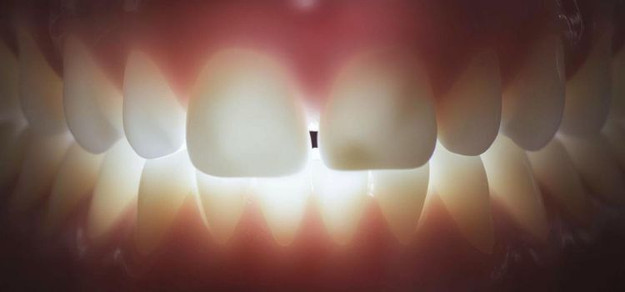
A tooth gap (diastema) is a space between two teeth, and while it’s common, many people wonder if it needs treatment. Sometimes gaps are only cosmetic, but in other cases they can affect your bite, speech, or oral health.
This guide explains what causes tooth gaps, the risks of leaving them untreated, and the best treatment options, so you can make the right choice for your smile.
Do Tooth Gaps Matter?

Tooth gaps are common, but they can affect both the look and function of your teeth. A study, "Do Tooth Gaps Matter? Evaluation of Self-Assessments", found that people can often spot their own gaps, but they might miss some that a dentist would notice.
While many gaps are just cosmetic, they can also cause problems like shifting teeth, trouble chewing, or speech issues. It's important to talk to your dentist to understand the impact of your tooth gap.
What Causes Tooth Gaps?
Tooth gaps can happen for several reasons. Here are some of the most common causes:
Genetics
Some people are born with naturally spaced-out teeth. If your parents or family members have gaps, you may be more likely to have them as well.
Missing Teeth
When a tooth is lost, it can leave extra space behind. This can happen due to injury, decay, or other dental issues. The surrounding teeth may also shift, widening the gap.
Habits
Habits like thumb-sucking, tongue-thrusting, and teeth grinding (bruxism), especially in children, can lead to gaps between teeth. Over time, these habits can cause teeth to shift or wear down, making gaps more noticeable.
Age
As we age, our teeth can naturally shift and move. This can create or worsen gaps, especially if teeth have been previously misaligned.
Health Issues
Conditions like gum disease can cause the gums to recede, leading to gaps. Other dental issues, such as bone loss, can also contribute to extra space between teeth.
Fact: According to Medical News Today, factors such as genetics, thumb-sucking, an oversized labial frenum, and gum disease are all linked to diastema, the clinical term for tooth gaps.
Are Tooth Gaps a Health Concern?
Tooth gaps can be a cosmetic issue or something that affects your oral health. Here’s what you should know:
Cosmetic vs. Health Concerns
In many cases, tooth gaps are simply a cosmetic concern and don’t cause any health problems. However, if the gap affects your bite or speech, it might need treatment.
Potential Risks
Leaving a gap untreated can sometimes lead to other issues, like shifting teeth, difficulty chewing, or speech problems. Gaps can also make it harder to clean your teeth properly, increasing the risk of cavities or gum disease.
When to Seek Treatment
If your gap is affecting your bite, causing pain, or making oral hygiene difficult, it’s a good idea to talk to your dentist or orthodontist about treatment options.
Fact: According to Cleveland Clinic, while tooth gaps (diastema) are often harmless, they can sometimes lead to complications like speech issues, biting problems, or increased risk of gum disease if not addressed.
Treatment Options for Tooth Gaps
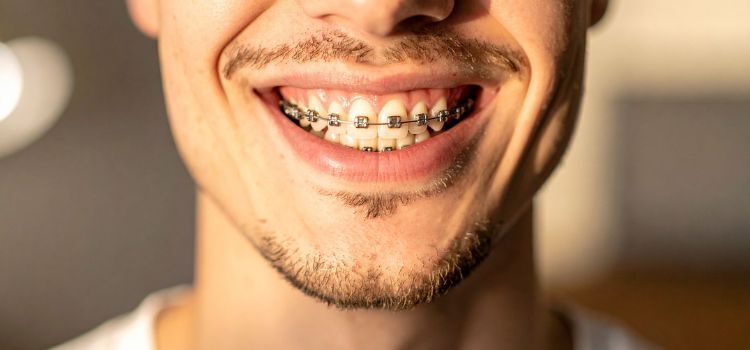
If you're looking to close a tooth gap, there are several treatments available. The right choice depends on the size of the gap, your overall dental health, and your preferences. Here are some of the most common options:
Braces
Braces are a traditional and effective way to close gaps. They work by gradually shifting your teeth into better alignment over time. Clear braces or traditional metal braces can both help, depending on your needs.
Dental Bonding
Dental bonding involves applying a tooth-colored resin to fill in the gap. It’s a quick and affordable solution that can improve the appearance of your smile.
Veneers
Veneers are thin shells of porcelain that are placed over your teeth. They can close gaps and improve the overall appearance of your smile. Veneers are a more permanent option compared to bonding.
Invisalign
Invisalign is a clear aligner system that gradually moves teeth into place. It’s a discreet option for those who prefer not to wear traditional braces.
Dental Implants
If a missing tooth is the cause of the gap, a dental implant might be a solution. Implants are surgically placed in the jaw and serve as a permanent replacement for a lost tooth.
Gum Surgery
In cases where the gap is caused by excess gum tissue, gum surgery can reshape the gums and reduce the space between teeth.
Note: Each treatment option has its pros and cons, and the best choice depends on your specific needs. Be sure to consult with your dentist or orthodontist to find the solution that works best for you.
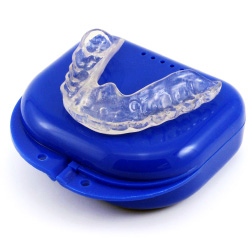
- Most Popular
- Hard Outside, Soft Inside
- 2MM Thick
- Moderate / Heavy
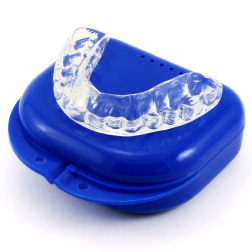
- Most Durable
- Hard Materials
- 1.5MM Thick
- Heavy / Severe
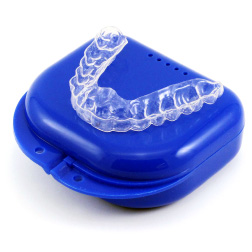
- For Day Time Use
- Thin, Barely Visible
- 1MM Thick
- Light / Moderate
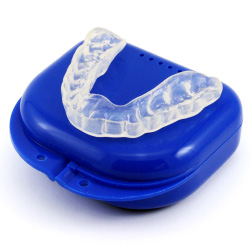
- For Clenching
- Flexible & Soft
- 1.5MM Thick
- Light / Moderate
Preventing Future Tooth Gaps
While some tooth gaps are due to genetics or unavoidable factors like aging, there are steps you can take to help prevent gaps from forming or getting worse:
Wear a Mouthguard
If you grind your teeth at night (bruxism), wearing a mouthguard can protect your teeth from wear and help prevent gaps caused by grinding. A custom night guard made by a dentist can provide a more comfortable and effective solution.
Maintain Good Oral Hygiene
Brushing and flossing regularly helps keep your teeth and gums healthy, which can prevent issues like gum disease that could lead to gaps. Clean teeth are less likely to shift or loosen over time.
Avoid Harmful Habits
If you have habits like thumb-sucking or tongue-thrusting, especially in children, try to break them early. These habits can create gaps and misalign teeth.
Regular Dental Check-ups
Seeing your dentist regularly for check-ups and cleanings can help catch early signs of gum disease or misalignment. Early intervention can prevent gaps from forming or worsening.
Correct Misalignment Early
If you have children, consider taking them for orthodontic evaluations at an early age. Addressing misalignment early can prevent tooth gaps from developing later in life.
Frequently Asked Questions About Tooth Gaps
How long does it take to close a tooth gap?
It depends on the treatment. Braces or Invisalign can take months to years, while dental bonding or veneers can close gaps in weeks.
Can tooth gaps come back after treatment?
If the cause isn’t addressed, gaps can reopen. Wearing retainers or following your dentist’s advice can help keep them closed.
Is it too late to fix a gap in adulthood?
No, you can fix a tooth gap at any age with treatments like braces, veneers, or bonding.
Can I fix a tooth gap without braces?
Yes, options like dental bonding, veneers, or Invisalign can fix gaps without braces.
How much does it cost to fix a tooth gap?
Costs vary. Braces range from $3,000 to $7,000, while bonding and veneers are usually $100 to $2,500 per tooth.
Conclusion: Finding the Right Solution for Your Tooth Gap
Tooth gaps are common and can happen for many reasons, including genetics, missing teeth, habits, age, or gum disease. Whether your concern is cosmetic or functional, treatments like braces, bonding, veneers, or Invisalign can help.
If teeth grinding or clenching is contributing to your gap, protecting your teeth at night is an important step. A custom night guard from Pro Teeth Guard can help reduce grinding pressure and protect your smile.
Explore our custom night guards today and take the first step toward a healthier, more confident smile.
References:
- Tugnait, A., & Clerehugh, V. (2007). Do tooth gaps matter? Evaluation of self-assessments: A pilot study. Journal of Oral Rehabilitation, 34(10), 814–820. https://doi.org/10.1111/j.1365-2842.2007.01778.x
- Leonard, J. (2023, September 24). What is a diastema? Medical News Today. Retrieved July 11, 2025, from https://www.medicalnewstoday.com/articles/diastema
- Cleveland Clinic. (2022, July 15). Diastema. Cleveland Clinic Health Library. Retrieved July 17, 2025, from https://my.clevelandclinic.org/health/diseases/23477-diastema
- Most Popular
- Hard Outside, Soft Inside
- 2MM Thick
- Moderate / Heavy
- Most Durable
- Hard Materials
- 1.5MM Thick
- Heavy / Severe
- For Day Time Use
- Thin, Barely Visible
- 1MM Thick
- Light / Moderate
- For Clenching
- Flexible & Soft
- 1.5MM Thick
- Light / Moderate