Ultrasonic Night Guard Cleaner: A Simple Guide
22nd Nov 2025
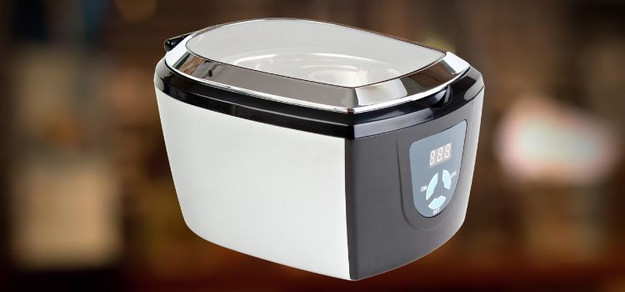
Keeping your night guard clean is important for your health and for making it last longer. Rinsing and brushing help, but they don’t always remove bacteria and buildup. An ultrasonic night guard cleaner can do a deeper clean.
In this guide, you’ll learn what ultrasonic cleaners are, how they work, and why they are a safe and effective way to clean your night guard.
What Is an Ultrasonic Night Guard Cleaner?
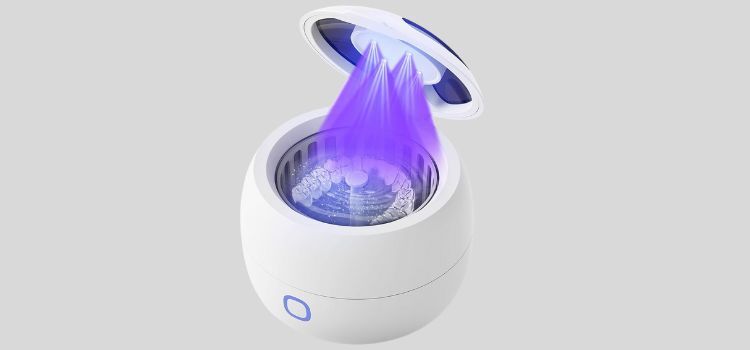
An ultrasonic night guard cleaner is a small machine that uses sound waves to clean dental appliances. When you place your night guard in the cleaner with water, it creates tiny bubbles that gently remove dirt, bacteria, and buildup.
Studies have shown that ultrasonic cleaning is effective for dental hygiene. Research comparing chemical cleansers, soaking tablets, and ultrasonic methods found that ultrasonic cleaning successfully removes biofilm from dentures, making it a reliable option for dental appliances.
Note: This process reaches areas that a toothbrush or soaking solution can miss, giving your night guard a more thorough clean.
How to Use an Ultrasonic Cleaner for Your Night Guard
Using an ultrasonic cleaner is simple and only takes a few minutes. Follow these steps for the best results:
Step 1: Rinse your night guard with water to remove loose debris.
Step 2: Fill the tank of the ultrasonic cleaner with clean water.
Step 3: Place your night guard inside the tank.
Step 4: Run the cleaning cycle. Most machines take three to ten minutes.
Step 5: Remove your night guard, rinse it with water, and let it air dry before storing it in its case.
Note: For a deeper clean, you can combine an ultrasonic cleaner with a cleaning tablet once a week. The ultrasonic waves help the tablet’s solution reach every part of your night guard, removing bacteria and buildup more effectively.
Why Use an Ultrasonic Cleaner for Your Night Guard?
Keeping your night guard clean can be tricky. Brushing and soaking help, but they don’t always give a deep clean. An ultrasonic cleaner makes the process easier and more effective.
Removes Buildup
It clears away plaque, stains, and debris that brushing often leaves behind.
Kills Bacteria and Odor
The deep cleaning helps reduce germs and keeps your night guard fresh.
Protects Your Night Guard
Gentle cleaning helps your night guard last longer without damage.
Note: Ultrasonic cleaners are designed to be safe for night guards, but always follow the care instructions provided with your dental appliance.
Related Articles:
Ultrasonic Cleaners vs. Other Cleaning Methods
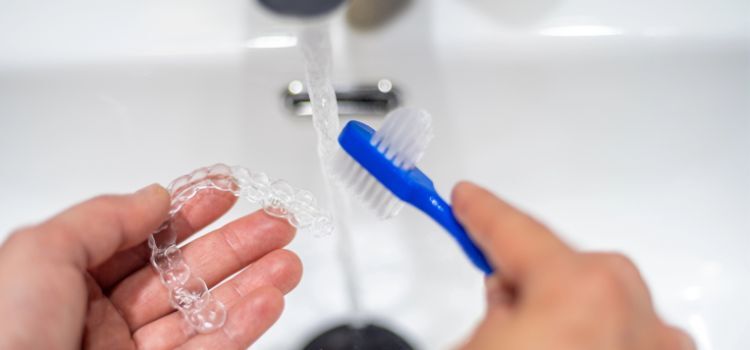
There are many ways to clean a night guard. Some people brush it, while others use soaking tablets or DIY solutions. Here’s how ultrasonic cleaners compare.
Brushing with a toothbrush is quick and easy, but it often misses small crevices and can cause scratches over time.
Soaking solutions or cleaning tablets help with odor and bacteria, but they may not fully remove buildup.
DIY methods like soap, vinegar, or baking soda are inexpensive and easy to try, but they can be too harsh and damage the material.
Note: While these methods help, ultrasonic cleaners provide the most thorough clean without harming your night guard.
Related Articles:
- How To Remove Calcium Buildup On Night Guards
- Custom Night Guard Cleaning Care
- Night Guard Turning Yellow
Is It Safe for Night Guards and Other Dental Appliances?
Ultrasonic cleaners are safe for most dental appliances, including hard and soft night guards, retainers, and dentures. The sound waves clean gently without scratching or wearing down the material.
Studies on dental care support their safety and effectiveness. For example, research on ultrasonic cleaning of dental instruments found that it removes contamination more effectively than hand cleaning, showing that ultrasonic technology can provide a deeper and safer clean
To keep your night guard safe, use only water or the recommended cleaning solution. Avoid harsh chemicals, as they can damage the appliance.
Note: Always check the care instructions from your dentist or the manufacturer before using an ultrasonic cleaner.
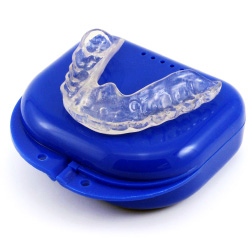
- Most Popular
- Hard Outside, Soft Inside
- 2MM Thick
- Moderate / Heavy
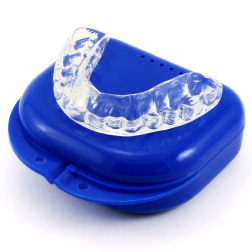
- Most Durable
- Hard Materials
- 1.5MM Thick
- Heavy / Severe
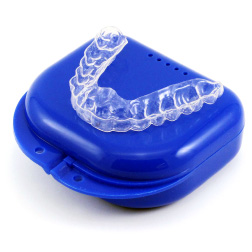
- For Day Time Use
- Thin, Barely Visible
- 1MM Thick
- Light / Moderate
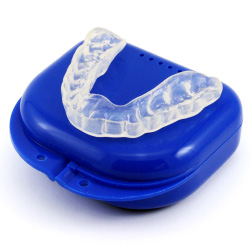
- For Clenching
- Flexible & Soft
- 1.5MM Thick
- Light / Moderate
What to Look for When Buying an Ultrasonic Night Guard Cleaner
Choosing the right ultrasonic cleaner makes a big difference. Here are the main things to check before buying:
Check the size of the tank.
Make sure it is large enough to fit your night guard or other dental appliances comfortably.
Look at the cleaning frequency.
Most machines use frequencies between 40–50 kHz, which is safe and effective for night guards.
Consider ease of use.
Choose a model that is simple to fill, run, and clean. Automatic shut-off is a helpful feature.
Think about portability.
If you travel often, a compact cleaner will be easier to bring with you.
Compare price and warranty.
Pick a reliable machine within your budget. A warranty adds peace of mind.
Note: Some ultrasonic cleaners also come with UV light, which helps kill bacteria and adds an extra layer of sanitation. While it’s not required, this feature can be a nice bonus for those who want extra protection against germs.
Best Ultrasonic Cleaner for Night Guards
You don’t need to buy the most expensive ultrasonic cleaner to get excellent results for your night guard. What matters most are the right features, especially the cleaning frequency, and a reliable build.
Here’s an example:
2025 Ultrasonic Retainer Cleaner Machine
The 2025 Ultrasonic Retainer Cleaner Machine (45 kHz, 200 mL tank, 24W power, 4 cleaning modes) works well for night guards, retainers, aligners, and dentures.
Price range: around US $35–50 (subject to current deals).
It has good ratings and multiple customers mention it works well for night guards and retainers.
Pro Tip: A cleaner with a frequency around 40–50 kHz, a tank that fits your night guard, and a trusted brand is enough to get excellent cleaning without spending too much.
Frequently Asked Questions (FAQ)
Can ultrasonic cleaners damage my night guard?
No. Ultrasonic cleaners use gentle sound waves that are safe for night guards, retainers, and dentures.
Do I need a special cleaning solution?
Not always. Plain water is usually enough, but you can use a mild solution made for dental appliances if you want a deeper clean.
How often should I use an ultrasonic cleaner?
Most people use it once or twice a week, along with daily rinsing and brushing.
Can I clean other items in it?
Yes. Many ultrasonic cleaners can also clean retainers, dentures, and even small items like jewelry.
Does it replace daily cleaning?
No. You should still rinse and lightly brush your night guard every day. The ultrasonic cleaner gives it a deeper clean.
Conclusion
An ultrasonic night guard cleaner is one of the easiest and most effective ways to keep your dental appliance fresh, clean, and long-lasting. It removes buildup, kills bacteria, and helps protect your investment better than brushing or soaking alone.
If you want your night guard to stay clear, odor-free, and safe to use, adding an ultrasonic cleaner to your routine is a smart choice.
Ready to protect your night guard? Explore our collection of custom-fit night guards and cleaning accessories at Pro Teeth Guard.
References:
- Cruz, P. C., Andrade, I. M. de, Peracini, A., Souza-Gugelmin, M. C. M. de, Silva-Lovato, C. H., Souza, R. F. de, & Paranhos, H. de F. O. (2011). The effectiveness of chemical denture cleansers and ultrasonic device in biofilm removal from complete dentures. Journal of Applied Oral Science, 19(6), 668-673. https://doi.org/10.1590/S1678-77572011000600014
- Cafruny, W. A., Brunick, A., Nelson, D. M., & Nelson, R. F. (1995, June). Effectiveness of ultrasonic cleaning of dental instruments. The American Journal of Dentistry, 8(3), 152-156. PMID: 8599595.
- Most Popular
- Hard Outside, Soft Inside
- 2MM Thick
- Moderate / Heavy
- Most Durable
- Hard Materials
- 1.5MM Thick
- Heavy / Severe
- For Day Time Use
- Thin, Barely Visible
- 1MM Thick
- Light / Moderate
- For Clenching
- Flexible & Soft
- 1.5MM Thick
- Light / Moderate