Vyvanse Jaw Clenching: Why It Happens and What You Can Do
20th Feb 2026
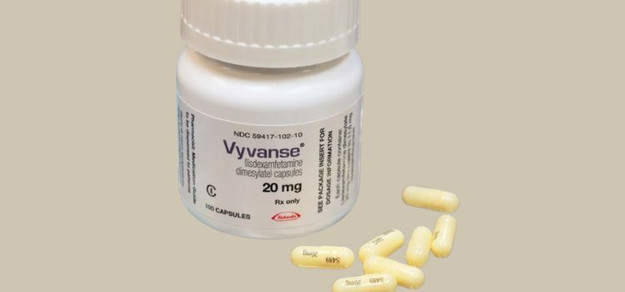
Jaw clenching can be uncomfortable, frustrating, and sometimes alarming, especially if it starts after beginning a medication like Vyvanse. Many people notice jaw tightness, sore teeth, or headaches and wonder if something is wrong or if they should stop their medication altogether.
Vyvanse-related jaw clenching is common, understood, and manageable. Knowing why it happens, and how to protect your teeth and jaw, can make a big difference in your comfort and long-term oral health.
Quick Answer: Can Vyvanse Cause Jaw Clenching?

Yes. Jaw clenching is a known side effect of Vyvanse and other stimulant medications. Vyvanse increases activity in the central nervous system, which can raise muscle tension and lead to unconscious clenching or grinding of the teeth.
Note: While not dangerous on its own, persistent jaw clenching can cause tooth wear, jaw pain, headaches, and TMJ strain if left unmanaged.
Related Articles:
- Teeth Grinding Caused By Adderall?
- Antidepressants And Teeth Grinding
- Medications That Cause Bruxism
Why Vyvanse Can Cause Jaw Clenching
Vyvanse (lisdexamfetamine) is a stimulant medication used for ADHD and binge eating disorder. Like other stimulants, it increases brain activity in dopamine and norepinephrine systems, as described in clinical pharmacology reviews and mechanism-of-action summaries.
Increased Muscle Tension
Stimulants can activate the nervous system and raise muscle tone, which may lead to:
- Tight jaw and facial muscles
- Ongoing clenching without noticing
- Difficulty relaxing the jaw
This pattern matches findings from autonomic-activity studies that link bruxism/clenching episodes with increased sympathetic (“fight-or-flight”) activation.
Hyperfocus and Reduced Awareness
Vyvanse can intensify focus, so clenching may go unnoticed during long periods of work, studying, or screen time. Reduced awareness of internal body cues is discussed in interoception research, which may help explain why some people don’t realize they’re clenching until pain or sensitivity appears.
Stress Amplification
Stress can increase jaw tension, and stimulants may heighten stress responses in some individuals, making clenching more likely. This is consistent with stress-pathway reviews and clinical association studies linking stress and anxiety with bruxism/clenching behaviors.
Jaw Clenching vs. Teeth Grinding vs. TMJ
Jaw discomfort is often grouped under one term, but there are important differences.
Jaw clenching: Holding the teeth together tightly, usually without movement. Often occurs during the day.
Teeth grinding (bruxism): Rhythmic grinding or gnashing, most commonly during sleep.
TMJ disorders: Pain or dysfunction of the jaw joint itself, which can be worsened by clenching or grinding.
Note: Vyvanse is more commonly associated with jaw clenching, but nighttime grinding can also occur, especially if muscle tension carries over into sleep.
Common Symptoms of Vyvanse-Related Jaw Clenching
Not everyone experiences the same symptoms, but common signs include:
- Jaw soreness or stiffness, especially in the morning
- Headaches or temple pain
- Tooth sensitivity
- Flattened or worn teeth
- Facial muscle fatigue
- Clicking or popping sounds in the jaw
- Neck or shoulder tension
Note: Some people only notice symptoms after weeks or months, once tooth wear or muscle strain has developed.
Can Jaw Clenching Damage Your Teeth or Jaw?
Occasional clenching usually isn’t harmful. Chronic clenching, however, can lead to real dental problems over time.
Short-Term Effects
- Jaw and facial muscle pain
- Headaches
- Tooth soreness
Long-Term Risks
- Enamel wear and thinning
- Cracked or chipped teeth
- Gum recession
- Increased tooth sensitivity
- TMJ strain or inflammation
Note: Because clenching often happens unconsciously, damage can progress before a person realizes what’s happening.
How to Reduce Jaw Clenching While Taking Vyvanse

Managing jaw clenching usually involves a combination of awareness, habit changes, and protection.
Simple Habits That Can Help
Stay hydrated: Dry mouth and dehydration can worsen muscle tension.
Check your jaw position regularly: Teeth should rest apart, lips closed, tongue relaxed.
Limit gum chewing: This keeps jaw muscles activated.
Stretch and relax the jaw: Gentle jaw stretches or facial massage can reduce tension.
Manage stress: Mindfulness, breathing exercises, and regular breaks can help.
Note: These steps won’t eliminate clenching entirely, but they can significantly reduce its intensity.
Medication Adjustments to Discuss With Your Doctor
Never stop or adjust Vyvanse without medical guidance. However, if jaw clenching is severe or persistent, your prescribing doctor may discuss:
- Timing of dosage
- Dosage adjustments
- Managing stimulant side effects more broadly
For many people, symptoms lessen as the body adapts to the medication.
Can a Night Guard or Mouth Guard Help?
Yes. Dental guards are one of the most effective ways to protect teeth from clenching-related damage.
A properly fitted night guard:
- Creates a protective barrier between upper and lower teeth
- Reduces pressure on jaw muscles
- Prevents enamel wear and fractures
- Helps protect dental work like crowns or veneers
Even if clenching happens during the day, many people also clench at night without realizing it. A night guard provides protection during the hours when damage often occurs silently.
Pro Tip: Custom-fit guards tend to be more comfortable and effective than one-size-fits-all options, especially for long-term use.
Related Articles:
- Upper or Lower Night Guard
- How to Get Used to Wearing a Night Guard
- The Right Night Guard Thickness for Bruxism
When to See a Dentist or Doctor
Consider speaking with a professional if you have ongoing jaw pain or headaches, notice tooth damage or sensitivity, experience jaw locking or limited movement, or feel that your symptoms are getting worse over time.
A dentist can evaluate signs of clenching or grinding, while a doctor can help assess sleep issues, stress, or possible medication-related side
Frequently Asked Questions About Vyvanse and Jaw Clenching
Does Vyvanse Cause Teeth Grinding at Night?
It can. While jaw clenching is more common during the day, stimulant-related muscle tension may continue into sleep, leading to nighttime grinding.
Will Jaw Clenching Go Away Over Time?
For some people, yes. Symptoms may decrease as the body adjusts to the medication. For others, protective strategies are needed long-term.
Can Vyvanse Cause TMJ?
Vyvanse does not directly cause TMJ disorders, but chronic clenching can strain the jaw joint and worsen TMJ symptoms.
Is Jaw Clenching Permanent?
No. Jaw clenching related to medication is usually manageable and reversible with proper care and protection.
Should I Stop Taking Vyvanse If This Happens?
Do not stop medication without consulting your doctor. Jaw clenching is a known side effect and can often be managed without discontinuing treatment.
Protect Your Teeth From Vyvanse-Related Jaw Clenching
If Vyvanse is causing you to clench your jaw or grind your teeth, protecting your smile early can help prevent long-term damage. A custom-fitted night guard creates a protective barrier between your teeth, reduces pressure on your jaw muscles, and helps prevent enamel wear, cracks, and TMJ strain.
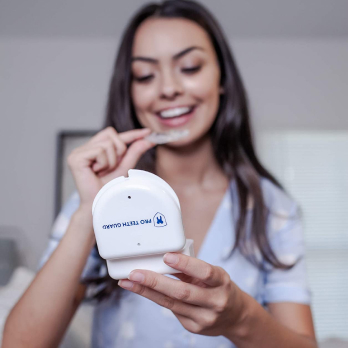
Pro Teeth Guard offers dentist-quality custom night guards made from professional-grade materials, without the high cost of an in-office visit. Each guard is crafted to fit your bite comfortably, making it easier to wear consistently while you sleep.
References:
- Goodman, D. W. (2010). Lisdexamfetamine dimesylate (Vyvanse), a prodrug stimulant for attention-deficit/hyperactivity disorder. P&T, 35(5), 273–287. https://pubmed.ncbi.nlm.nih.gov/20514273/
- Quintero, J., Gutiérrez-Casares, J. R., & Álamo, C. (2022). Molecular characterisation of the mechanism of action of stimulant drugs lisdexamfetamine and methylphenidate on ADHD neurobiology: A review. Neurology and Therapy, 11(4), 1489–1517. https://doi.org/10.1007/s40120-022-00392-2
- Huynh, N., Kato, T., Rompré, P. H., Okura, K., Saber, M., & Lanfranchi, P. A. (2006). Sleep bruxism is associated to micro-arousals and an increase in cardiac sympathetic activity. Journal of Sleep Research, 15(3), 339–346. https://doi.org/10.1111/j.1365-2869.2006.00536.x
- Krageloh-Mann, I., Cree, R., Spence, S. H., & Hudson, J. L. (2019). Interoceptive awareness in patients with attention-deficit/hyperactivity disorder (ADHD). Journal of Attention Disorders, 23(10), 1217–1226. https://doi.org/10.1177/1087054717720541 (pubmed.ncbi.nlm.nih.gov)
- Pavlou, I., Spandidos, D., Zoumpourlis, V., & Papakosta, V. (2024). Neurobiology of bruxism: The impact of stress [Review]. Biomedical Reports, 20, 59. https://doi.org/10.3892/br.2024.1747
- Vlăduțu, D., Popescu, S. M., Mercuț, R., Ionescu, M., Scrieciu, M., Glodeanu, A. D., Stănuși, A., Rîcă, A. M., & Mercuț, V. (2022). Associations between bruxism, stress, and manifestations of temporomandibular disorder in young students. International Journal of Environmental Research and Public Health, 19(9), 5415. https://doi.org/10.3390/ijerph19095415
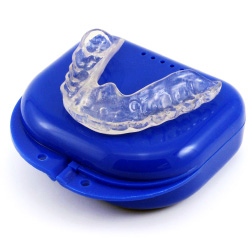
- Most Popular
- Hard Outside, Soft Inside
- 2MM Thick
- Moderate / Heavy
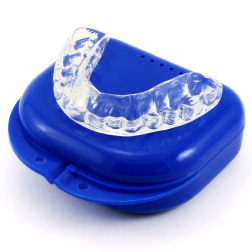
- Most Durable
- Hard Materials
- 1.5MM Thick
- Heavy / Severe
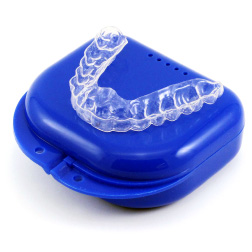
- For Day Time Use
- Thin, Barely Visible
- 1MM Thick
- Light / Moderate
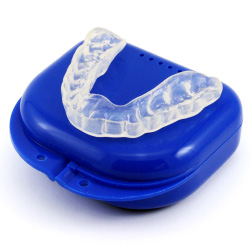
- For Clenching
- Flexible & Soft
- 1.5MM Thick
- Light / Moderate