Which Antidepressants Don’t Cause Bruxism?
24th Apr 2026

If you started grinding your teeth or clenching your jaw after beginning an antidepressant, you’re not alone. Some medications can affect jaw muscles and lead to grinding, morning soreness, or tension.
Research has found a link between certain antidepressants, especially SSRIs, and teeth grinding
By knowing which antidepressants are more or less likely to cause bruxism, you can work with your doctor to find an option that supports your mental health without stressing your jaw.
This guide explains why antidepressants can cause grinding, which medications have lower reported risk, and what you can do to protect your teeth.
Which Antidepressants Are Less Likely to Cause Bruxism?

Some antidepressants have lower reports of teeth grinding because they affect brain chemicals differently than SSRIs and SNRIs.
1. Mirtazapine (Remeron)
Mirtazapine works differently from standard SSRIs. Because of its unique receptor activity, it is often included in discussions about alternatives for people who are concerned about grinding.
2. Bupropion (Wellbutrin) — Mixed but Generally Lower Risk
Bupropion affects different neurotransmitters than serotonin-based antidepressants. People who want to explore non-serotonergic options sometimes ask their doctors about this medication.
3. Tricyclic Antidepressants (TCAs)
Amitriptyline, nortriptyline, and other TCAs are older medications with a different mechanism than newer antidepressants. Some individuals consider these when talking with their doctor about options.
4. Vortioxetine (Trintellix) and Other Serotonin Modulators
Vortioxetine affects multiple serotonin receptors rather than working in one direct pathway. Because of this, it sometimes comes up in conversations about alternatives to traditional SSRIs.
Note: If grinding starts after starting a medication or increasing your dose, talk to your doctor. Sometimes a dosage adjustment can help reduce bruxism symptoms. Do not change your medication on your own.
Can Antidepressants Cause Bruxism?
Yes. Research shows that some antidepressants, especially those that increase serotonin, like SSRIs and SNRIs, can lead to jaw clenching or teeth grinding.
Serotonin affects mood, but it also influences the muscles that control your jaw. When those muscles become overactive, grinding may occur, most often at night.
Several studies support this:
Systematic Review (2018): A review of published case reports found a clear pattern linking SSRIs (such as fluoxetine, sertraline, and paroxetine) to bruxism, often appearing within days to weeks of starting treatment.
Drug-Induced Bruxism Review (2021): Researchers reported that serotonergic antidepressants were among the most common medications associated with bruxism. They also found that adding buspirone sometimes relieved the symptoms.
Cross-Sectional Study (2023): Adults with sleep bruxism were more likely to be taking SSRIs compared to those without bruxism, suggesting a higher risk in users of serotonin-based antidepressants.
Note: Not everyone will experience this side effect, but if teeth grinding starts soon after beginning or adjusting an antidepressant, it may be related and is worth discussing with your doctor.
Antidepressants With Higher Risk of Bruxism
Some antidepressants are mentioned more often in discussions about teeth grinding. These are commonly serotonin-based medications, which are widely used for depression and anxiety.
Not everyone who takes these medications will experience grinding, but they appear more frequently in conversations about this side effect.
1. SSRIs (Selective Serotonin Reuptake Inhibitors)
SSRIs are the most frequently referenced group when people talk about grinding or jaw tension. Medications in this category include:
- Fluoxetine (Prozac)
- Sertraline (Zoloft)
- Escitalopram (Lexapro)
- Paroxetine (Paxil)
- Citalopram (Celexa)
2. SNRIs (Serotonin-Norepinephrine Reuptake Inhibitors)
SNRIs affect serotonin and norepinephrine. They also appear in discussions about possible grinding or jaw tightness. Examples include:
- Venlafaxine (Effexor)
- Duloxetine (Cymbalta)
3. Other Strongly Serotonergic Medications
Any medication with a strong effect on serotonin pathways may be part of conversations about bruxism. These vary by individual and treatment plan, so it’s helpful to check with a prescribing doctor if concerns arise.
How to Know If Your Antidepressant Is Causing Teeth Grinding

If you start noticing jaw or teeth symptoms after beginning a new medication or adjusting your dose, it may be helpful to pay attention to certain signs. While only a doctor can determine the exact cause, these are common things people look out for:
Jaw Soreness or Tightness
A tight or sore feeling in the jaw, especially in the morning, may suggest nighttime clenching.
Headaches After Waking Up
Morning headaches, especially around the temples, are often associated with muscle tension in the jaw.
Tooth Sensitivity or Pressure
Your teeth may feel sensitive, tired, or “pressured” after grinding.
Clicking or Fatigue in the Jaw Joint
Some people notice jaw clicking, popping, or a tired feeling when chewing or talking.
Worn, Flattened, or Chipped Teeth
Grinding can wear down enamel. A dentist may point this out during a routine exam.
Grinding Sounds Noticed by a Partner
If someone sleeping nearby hears grinding or clenching noises, this can be an important clue.
Timing With Medication Changes
Some people observe that symptoms started shortly after:
- beginning a new antidepressant
- increasing the dose
- switching to a different medication
This timing can help guide a conversation with your prescribing doctor.
Related Articles:
- Jaw Pain: Why Does It Hurt On One Side
- Teeth Feel Weird? 5 Common Issues
- Flat Teeth: Symptoms, Causes and Treatment
What to Do If You Suspect Your Medication Is Causing Bruxism
If you think your antidepressant may be contributing to teeth grinding or jaw tension, there are a few helpful steps you can take. These steps focus on awareness, communication, and protecting your teeth while you sort things out.
1. Talk to Your Prescribing Doctor
Your doctor is the best person to guide you. They can review your symptoms, discuss possible causes, and decide whether adjusting your medication or dose is appropriate. Avoid stopping your medication on your own.
2. Keep Track of Your Symptoms
Note when the grinding started, whether it happens during the day or at night, and any changes after a dose adjustment. This information can help your doctor make an informed decision.
3. Ask Your Dentist for an Evaluation
A dentist can check for signs of grinding, such as enamel wear or pressure on the jaw joint. They can also suggest ways to protect your teeth.
4. Practice Jaw Relaxation Habits
Simple habits may help relieve tension, such as gentle jaw stretches, a warm compress, or avoiding chewing gum. These steps won’t address the underlying cause but can make your jaw feel more comfortable.
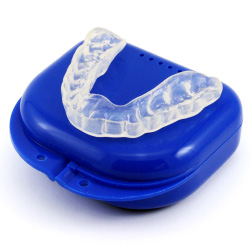
5. Consider a Custom Night Guard
If you grind your teeth at night, a custom-fit night guard can create a protective barrier between your teeth. This helps reduce the pressure on your jaw and prevents enamel wear while you and your doctor explore options.
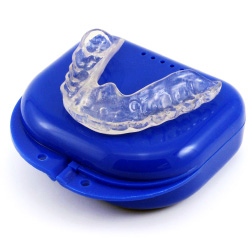
- Most Popular
- Hard Outside, Soft Inside
- 2MM Thick
- Moderate / Heavy
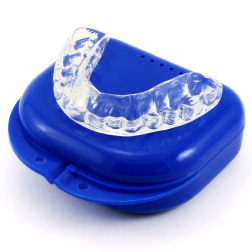
- Most Durable
- Hard Materials
- 1.5MM Thick
- Heavy / Severe
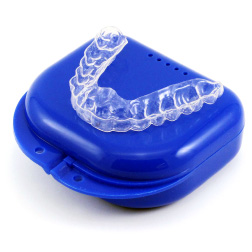
- For Day Time Use
- Thin, Barely Visible
- 1MM Thick
- Light / Moderate
- For Clenching
- Flexible & Soft
- 1.5MM Thick
- Light / Moderate
Related Articles:
- Dentist Night Guard vs. Over-The-Counter
- The Right Night Guard Thickness for Bruxism
- How to Get Used to Wearing a Night Guard
FAQs
Is antidepressant-related bruxism permanent?
It’s usually not permanent. Many people notice changes once they talk with their doctor and review their treatment plan.
Can I reduce jaw clenching without changing my medication?
Sometimes. Relaxation habits, stress management, and using a night guard may help while you talk with your doctor about the best next steps.
Does bruxism mean my antidepressant is “bad” for me?
No. Medications affect people differently. Bruxism is a possible side effect, but it doesn’t mean the medication is unsafe. Your doctor can help you decide what to do.
Are nighttime-only symptoms common?
Yes. Many people clench or grind more at night. Morning jaw soreness or headaches can be signs.
Will a night guard stop antidepressant-related grinding?
A night guard won’t fix the root cause, but it can protect your teeth and make your jaw feel more comfortable while you work with your doctor.
Conclusion
Teeth grinding related to antidepressants can feel uncomfortable, but it’s often manageable. Paying attention to your symptoms, talking with your doctor, and protecting your teeth can help make things easier.
A custom-fit mouth guard can also give your teeth extra protection while you and your doctor figure out the best approach.
Looking for a comfortable, custom-fit night guard?
Pro Teeth Guard offers professionally made night guards at an affordable price, delivered straight to your home.
Learn more here: https://www.proteethguard.com/
References:
- Garrett, A. R., & Hawley, J. S. (2018). SSRI-associated bruxism: A systematic review of published case reports. Neurology: Clinical Practice, 8(2), 135-141. https://doi.org/10.1212/CPJ.0000000000000433
- George, S., Joy, R., & Roy, A. (2021). Drug-Induced Bruxism: a comprehensive literature review. Medicine, [Article 1992534]. https://doi.org/10.1177/2320206821992534
- Avan, G. N. P., Erdoğan, A., Cinemre, B., Kulaksızoğlu, B., & Metin, Ö. (2025). Bruxism and sleep disorders in patients diagnosed with depressive disorder and anxiety disorder using antidepressants. Journal of Oral Rehabilitation, 52(1), 57-63. https://doi.org/10.1111/joor.13875
- Most Popular
- Hard Outside, Soft Inside
- 2MM Thick
- Moderate / Heavy
- Most Durable
- Hard Materials
- 1.5MM Thick
- Heavy / Severe
- For Day Time Use
- Thin, Barely Visible
- 1MM Thick
- Light / Moderate
- For Clenching
- Flexible & Soft
- 1.5MM Thick
- Light / Moderate