Callus on Tongue
6th Apr 2026

Noticed a rough patch or bump on your tongue that just won’t go away? It might be a callus. A callus on the tongue is a small, thickened area that forms when the tongue gets rubbed or pressed against something over and over, like your teeth, night guard, or dental appliance.
Most of the time, it’s harmless and can heal with a little care. Still, it’s important to understand what’s causing it so you can treat it and prevent it from coming back.
Common Causes of a Tongue Callus
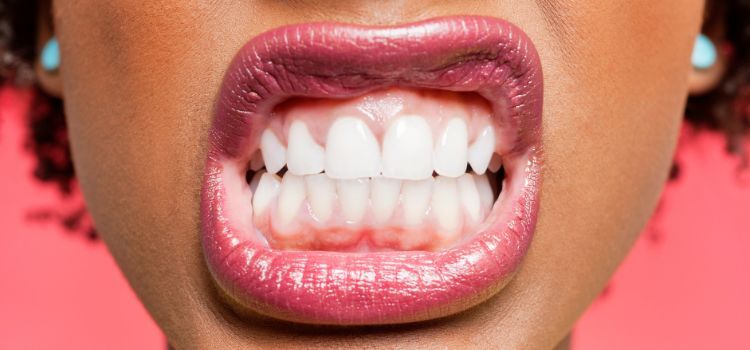
Teeth Grinding or Clenching (Bruxism)
Grinding or clenching your teeth, especially at night, can repeatedly press your tongue against sharp tooth edges. Over time, this constant friction can lead to a thickened patch.
A study published in the Journal of Oral & Maxillofacial Research found that long-term mechanical irritation, such as bruxism, can cause changes in the tongue’s surface, including scalloped edges and keratin buildup
Ill-Fitted Night Guard or Dental Appliance Friction
If your night guard, retainer, or denture doesn’t fit properly, it can rub against your tongue while talking, chewing, or swallowing. Research in Oral Surgery, Oral Medicine, Oral Pathology notes that this type of ongoing friction often leads to frictional keratosis, a callus-like thickening of the tongue’s surface
Accidental or Repeated Tongue Biting
Biting the same spot on your tongue repeatedly, whether while chewing, talking, or even unconsciously at night, can lead to a callus-like thickening as your tongue tries to protect itself.
A case report describes two patients with white, nonscrapable patches on the sides of their tongues (diagnosed as morsicatio linguarum) that regressed completely after habit awareness and discontinuation.
Additionally, a clinical review of reactive oral white lesions explains that frictional keratosis, Including morsicatio linguarum, is a reactive change in the mucosa caused by chronic irritation through habits like tongue or cheek biting.
Other Irritations from Dental Gear or Heat
Sharp braces, chipped teeth, or burns from hot food can injure the tongue. If the irritation continues, the tissue may develop a tougher, callus-like surface. Research confirms that chronic irritation is a key trigger for frictional hyperkeratosis in the mouth.
How to Recognize a Tongue Callus
A tongue callus often feels like a small, rough, or thick patch on the surface of your tongue. It may be slightly raised and can feel different from the rest of your tongue when you run your teeth or finger over it.
Most tongue calluses are painless, but they can sometimes feel a bit uncomfortable, especially when eating or speaking.
Signs it might not be a simple callus and needs checking:
- Pain or tenderness
- Redness or swelling
- Changes in size, shape, or color
- Bleeding or ulceration
Note: If you notice these signs, it’s best to have your dentist or doctor take a look to rule out other oral conditions.
Related Articles:
Simple Treatment Options for a Tongue Callus

Most tongue calluses heal once the source of irritation is removed. Here are some easy ways to help your tongue recover:
Rinse with warm salt water – This helps keep the area clean and can soothe mild irritation.
Avoid spicy, acidic, or very hot foods – These can make the spot more irritated.
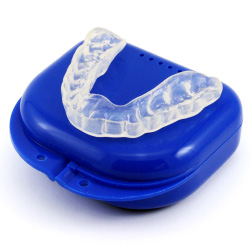
Check your dental appliances – If you use a night guard, retainer, or denture, make sure it fits smoothly. A custom-fit guard can prevent rubbing.
Stay hydrated – A moist mouth heals faster than a dry one.
Break the habit – If tongue biting is the cause, becoming aware of it and stopping can help the callus fade.
Note: If the callus doesn’t improve within two weeks, it’s best to get it checked by a dental professional.
Prevention Tips for a Tongue Callus
While treating a tongue callus can bring relief, preventing it from happening again is even better. A few simple habits can protect your tongue and keep your mouth healthy.
Use a Well-Fitted Night Guard
If you grind your teeth, wearing a custom-fit night guard can protect your tongue from friction and reduce irritation.
Check Dental Appliances Regularly
Ensure your retainers, dentures, or other dental devices are smooth and comfortable. Ask your dentist to adjust them if they cause rubbing.
Avoid Chewing on Hard Objects
Break habits like chewing on pens, fingernails, or other hard items that can injure your tongue.
Be Mindful of Tongue Biting
Pay extra attention while eating or talking to avoid repeatedly biting the same spot.
Stay Hydrated
Keeping your mouth moist helps it heal faster and lowers the risk of irritation.
Keep Up with Dental Checkups
Regular dental visits can spot and fix problems before they become serious.
Note: Prevention not only keeps your mouth comfortable but also helps you avoid the hassle of dealing with irritation in the future.
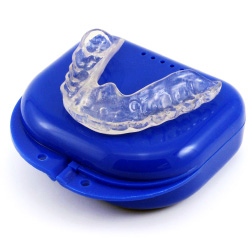
- Most Popular
- Hard Outside, Soft Inside
- 2MM Thick
- Moderate / Heavy
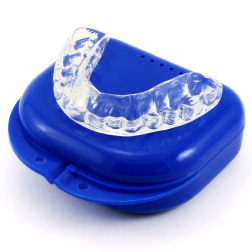
- Most Durable
- Hard Materials
- 1.5MM Thick
- Heavy / Severe
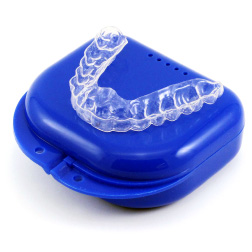
- For Day Time Use
- Thin, Barely Visible
- 1MM Thick
- Light / Moderate
- For Clenching
- Flexible & Soft
- 1.5MM Thick
- Light / Moderate
Related Articles:
- How Should a Night Guard Fit?
- How Does A Night Guard Work?
- How Long Does it Take for a Night Guard to Work?
When to See a Dentist
Most tongue calluses are harmless, but you should see a dentist or doctor if the spot lasts longer than two weeks, becomes painful, changes in size, shape, or color, starts bleeding, or makes it hard to eat, speak, or swallow.
Getting it checked early can help rule out other conditions and ensure you get the right treatment quickly.
Frequently Asked Questions
1. Is a callus on the tongue serious?
Most tongue calluses are harmless and heal once the source of irritation is removed. However, if it lasts more than two weeks or changes in size, shape, or color, you should see a dentist to rule out other conditions.
2. How do you get rid of a callus on your tongue?
The best way to remove a tongue callus is to stop the irritation that’s causing it. This may include using a smooth, custom-fit night guard, adjusting dental appliances, avoiding tongue biting, and rinsing with warm salt water to promote healing.
3. How long does it take for a tongue callus to heal?
If the cause is removed, most tongue calluses improve within one to two weeks. Persistent or worsening patches should be checked by a dental professional.
Conclusion
A tongue callus is often harmless, but it can still be uncomfortable and annoying. In most cases, it’s caused by simple, fixable habits, like teeth grinding, poorly fitted dental devices, or repeated tongue biting.
By identifying the cause, making small changes, and protecting your mouth with a smooth, custom-fitted night guard, you can help your tongue heal and prevent irritation from coming back.
References:
- Thoppay, J. R., & Desai, B. (2019). Oral burning: Local and systemic connection for a patient-centric approach. EPMA Journal, 10(1), 1–11. https://doi.org/10.1007/s13167-018-0157-3
- Medscape. (2025, July 14). Oral frictional hyperkeratosis: Clinical presentation. In eMedicine. Retrieved [today’s date], from https://emedicine.medscape.com/article/1076089‑clinical
- Arora, P. C., Arora, A., & Arora, S. (2022). White oral lesions of morsicatio linguarum. Indian Journal of Dermatology, 67(6), 756. https://doi.org/10.4103/ijd.ijd_483_21
- Fitzpatrick, S. G. (2023, November 25). Reactive and nonreactive white lesions of the oral mucosa. In Pocket Dentistry. Retrieved [today’s date], from https://pocketdentistry.com/reactive-and-nonreactive-white-lesions-of-the-oral-mucosa/
- Royal Berkshire NHS Foundation Trust. (2024, May). Oral frictional hyperkeratosis (FK) [Leaflet]. Oral & Maxillofacial Department. Retrieved [today’s date], from https://www.royalberkshire.nhs.uk/media/fmtid0xz/oral-frictional-hyperkeratosis-fk-_may24.pdf
- Most Popular
- Hard Outside, Soft Inside
- 2MM Thick
- Moderate / Heavy
- Most Durable
- Hard Materials
- 1.5MM Thick
- Heavy / Severe
- For Day Time Use
- Thin, Barely Visible
- 1MM Thick
- Light / Moderate
- For Clenching
- Flexible & Soft
- 1.5MM Thick
- Light / Moderate