Iron Deficiency Jaw Clenching
17th Oct 2025

If you're dealing with jaw clenching, it can be uncomfortable and even affect your sleep. But did you know that iron deficiency might be linked to it?
Iron deficiency can cause tiredness, weakness, and other symptoms. In some cases, it may also lead to muscle tension, including in your jaw. If you're experiencing both, you're not alone.
In this post, we’ll explain how iron deficiency and jaw clenching might be connected and share tips on how to address both.
Does Iron Deficiency Cause Jaw Clenching?
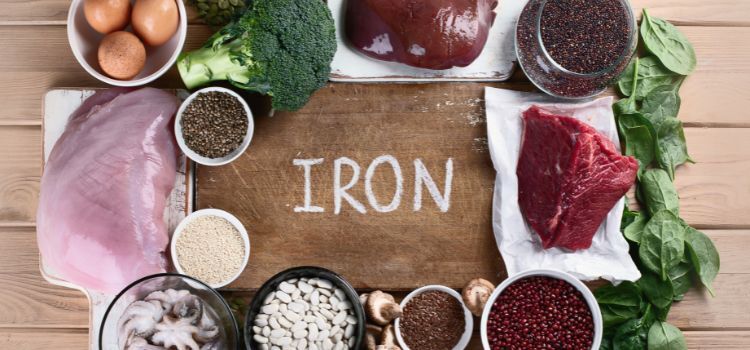
While there’s no direct proof that iron deficiency causes jaw clenching, there may be an indirect link. Low iron levels can lead to muscle tension and fatigue, which could contribute to clenching, especially if you have symptoms like restless legs syndrome (RLS) or bruxism.
Note: While more research is needed, improving iron levels could be helpful for some individuals.
What is Iron Deficiency?
Iron deficiency happens when your body doesn’t have enough iron to produce healthy red blood cells. Iron is important because it helps carry oxygen throughout your body, keeping you energized and strong. Common symptoms of iron deficiency include:
Fatigue (feeling tired all the time)
This happens because your body isn’t getting enough oxygen, leaving you feeling drained and low on energy.
Weakness
When you don’t have enough iron, your muscles can feel weaker and it can be harder to do daily activities.
Pale skin
Iron helps produce red blood cells, and without enough iron, your skin may look paler than usual.
Shortness of breath
With less oxygen in your blood, you might feel out of breath, even after simple activities like walking or climbing stairs.
Note: According to a study, these symptoms can make you more prone to tension-related habits—like jaw clenching or teeth grinding (bruxism), especially during times of stress, sleep disturbance, or anxiety.
Related Articles:
- Best Vitamins for Strong Teeth and Healthy Gums
- Vitamins And Supplements To Treat TMJ
- Magnesium For Bruxism
The Link Between Iron Deficiency and Jaw Clenching

While iron deficiency is often associated with tiredness and weakness, it can also affect muscle function, including the muscles in your jaw. When your body lacks enough iron, it can lead to muscle tension or spasms, which may contribute to jaw clenching.
This can happen in a couple of ways:
Muscle Tightness
With low iron levels, your muscles, including those in your jaw, may not function properly. This can result in involuntary tension and clenching, especially at night.
Sleep Disruption
Iron deficiency can make you feel tired during the day, which can affect your sleep at night. Poor sleep may trigger teeth grinding and jaw clenching, which in turn can make the tension worse.
Increased Stress
Being constantly fatigued or dealing with symptoms of iron deficiency can increase stress levels. Stress is one of the most common triggers for jaw clenching, making the problem worse.
Note: A study highlights neurological symptoms of iron deficiency—like restlessness, irritability, and fatigue—which other research has linked to habits such as jaw clenching and teeth grinding, particularly during sleep.
Treatment Options for Iron Deficiency and Jaw Clenching
Addressing both iron deficiency and jaw clenching is important for improving your overall well-being. Here are some simple steps to help manage both:
Treating Iron Deficiency:
Eat Iron-Rich Foods: Add more iron-rich foods to your diet, like spinach, red meat, beans, and fortified cereals. These help boost your iron naturally.
Iron Supplements: If diet alone isn’t enough, your doctor might suggest iron supplements. Always check with your doctor before starting any supplements.
See a Doctor: If you’re unsure about iron deficiency or have ongoing symptoms, it's best to talk to your doctor for a proper diagnosis.
Managing Jaw Clenching:
Night Guards: A custom-fit night guard can protect your teeth and reduce jaw tension while you sleep. Pro Teeth Guard offers custom-fit options that can help.
Relaxation Techniques: Try stress-reducing activities like deep breathing, meditation, or yoga to help stop clenching caused by stress.
Avoid Stimulants: Cut back on caffeine and alcohol, especially before bed, as these can trigger clenching.
Related Articles:
Note: By treating both iron deficiency and jaw clenching, you can start feeling better and prevent further discomfort or damage.
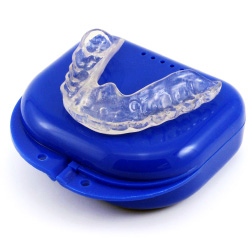
- Most Popular
- Hard Outside, Soft Inside
- 2MM Thick
- Moderate / Heavy
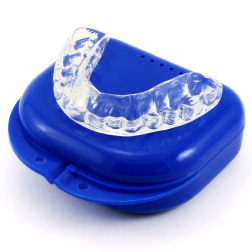
- Most Durable
- Hard Materials
- 1.5MM Thick
- Heavy / Severe
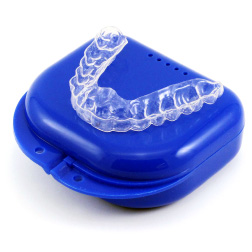
- For Day Time Use
- Thin, Barely Visible
- 1MM Thick
- Light / Moderate
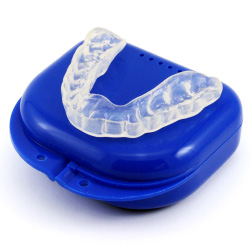
- For Clenching
- Flexible & Soft
- 1.5MM Thick
- Light / Moderate
Top 10 Common Sources of Iron for Better Health
Boosting your iron levels is essential for overall health. Here are some common sources of iron that can help you maintain optimal iron levels:
1. Red Meat
Beef, lamb, and pork are excellent sources of heme iron, which is more easily absorbed by the body compared to plant-based iron.
2. Poultry
Chicken and turkey provide a good amount of heme iron, making them great additions to your diet for maintaining healthy iron levels.
3. Seafood
Fish like salmon, tuna, and shellfish (such as oysters and shrimp) are rich in iron and other essential nutrients that support overall health.
4. Leafy Green Vegetables
Dark leafy greens like spinach and kale are packed with non-heme iron, a plant-based form of iron. Pair them with vitamin C-rich foods to improve absorption.
5. Legumes
Beans, lentils, chickpeas, and soybeans are excellent plant-based sources of iron, making them perfect for vegetarians and vegans looking to boost their iron intake.
6. Fortified Cereals
Many breakfast cereals are fortified with iron, providing a convenient way to meet your daily iron needs. Look for cereals with added iron for an easy, quick meal.
7. Tofu and Tempeh
These soy-based products are rich in iron and serve as great meat alternatives for plant-based diets.
8. Nuts and Seeds
Almonds, cashews, sunflower seeds, and pumpkin seeds are not only packed with iron but also provide healthy fats and protein.
9. Dried Fruit
Dried fruits like apricots, raisins, and prunes are high in iron and make for a great snack on the go.
10. Whole Grains
Quinoa, brown rice, and oats are whole grains that provide a solid amount of iron, especially when incorporated into your daily meals.
When to See a Doctor
If you're dealing with both iron deficiency and jaw clenching, it’s a good idea to see a doctor. They can help diagnose any underlying issues and guide you on the best treatment options.
For iron deficiency, your doctor can confirm if your iron levels are low and suggest the right treatment, whether that’s diet changes, supplements, or further testing.
Conclusion
If you’re experiencing jaw clenching and suspect iron deficiency, it’s important to take action. Start by making some simple changes to your diet and stress levels, and consider using a night guard to protect your teeth. If your symptoms persist, don’t hesitate to consult a healthcare professional for the right treatment.
For anyone struggling with jaw clenching, Pro Teeth Guard custom-fit night guard can be a great solution to protect your teeth and reduce tension while you sleep. Reach out today to learn more and get the relief you need!
References:
- Bhattacharya, P. T., & Misra, S. R. (2017). Effects of iron deficiency on the oropharyngeal region: Signs, symptoms, and biological changes. In V. R. Preedy & V. B. Patel (Eds.), Handbook of famine, starvation, and nutrient deprivation (pp. 1–18). Springer. https://doi.org/10.1007/978-3-319-40007-5_4-1
- The oral manifestations of iron deficiency. (1946). Journal of the American Medical Association, 130(13), 872–873. https://doi.org/10.1001/jama.1946.02870130014005
- Pavlou, I. A., Spandidos, D. A., Zoumpourlis, V., & Adamaki, M. (2023). Nutrient insufficiencies and deficiencies involved in the pathogenesis of bruxism (Review). Experimental and Therapeutic Medicine, 26(6), Article 563. https://doi.org/10.3892/etm.2023.12262
- Abbaspour, N. (2014). Review on iron and its importance for human health. Archives of Iranian Medicine, 17(2), 94–102. Retrieved from https://www.ncbi.nlm.nih.gov/books/NBK482466/
- Most Popular
- Hard Outside, Soft Inside
- 2MM Thick
- Moderate / Heavy
- Most Durable
- Hard Materials
- 1.5MM Thick
- Heavy / Severe
- For Day Time Use
- Thin, Barely Visible
- 1MM Thick
- Light / Moderate
- For Clenching
- Flexible & Soft
- 1.5MM Thick
- Light / Moderate