Teeth Drumming vs Teeth Grinding
27th Dec 2025

Sometimes people tap their teeth together without thinking. This is called teeth drumming. Others clench or grind their teeth hard, known as teeth grinding or bruxism. These two habits may sound similar, but they are different and affect your teeth in different ways.
In this blog, we’ll explain the difference between teeth drumming and teeth grinding, why it matters, and what you can do to protect your teeth.
What Is Teeth Drumming?

Teeth drumming is when you lightly tap your upper and lower teeth together, often in a rhythmic way. It’s usually a subconscious habit, similar to nail biting or finger tapping.
People often drum their teeth when they’re:
- Feeling stressed or anxious
- Bored or lost in thought
- Focused on work or concentration tasks
Not a formal clinical term: “Teeth drumming” isn’t used in dental literature; the closest concepts are teeth contacting habit (TCH) and awake bruxism behaviors. TCH is defined as daily light touching of the upper and lower teeth, a low-force, repetitive contact.
What Is Teeth Grinding (Bruxism)?
Teeth grinding, also called bruxism, is when you clench or grind your teeth with force. It often happens at night during sleep, but some people do it during the day without noticing.
Common signs of teeth grinding include:
- Worn or flattened teeth
- Jaw pain or tightness
- Morning headaches
- Tooth sensitivity or small cracks in teeth
Note: Unlike teeth drumming, grinding can cause serious damage over time. It wears down enamel, increases the risk of chipped teeth, and may even lead to jaw problems like TMJ disorder.
Related Articles:
- Flat Teeth: Symptoms, Causes and Treatment
- What To Do For A Cracked Tooth?
- Worn Down Teeth Causes and Treatment
Is Teeth Drumming Harmful?

Most of the time, teeth drumming is harmless since the tapping is light and doesn’t usually wear down enamel like teeth grinding does. For many people, it’s simply a nervous habit, much like nail biting or finger tapping.
Even musician Dave Grohl has shown how he drums with his teeth, proving it’s not uncommon as a quirky habit.
However, if the habit happens often, it can still put stress on the jaw muscles, cause mild soreness, or even lead to small chips if done with too much force. If you notice pain, headaches, or changes in your teeth, it’s best to bring it up with your dentist.
Why Teeth Grinding Is More Serious
Teeth grinding, or bruxism, is more than just an annoying habit. It’s a forceful, repetitive action that can seriously damage your oral health.
According to StatPearls, severe cases of sleep-related bruxism can cause significant harm, including damage to teeth and dental work, morning jaw pain, temporal headaches, and limited jaw movement.
A literature review in the Journal of Indian Prosthodontic Society highlights bruxism’s role in breaking restorations, tooth damage, and contributing to temporomandibular disorders (TMD) and headaches.
Recent findings confirm that even mild bruxism can lead to “significant consequences,” such as tooth damage, jaw pain, fatigue, and headaches.
Trusted health systems like Cleveland Clinic also report that frequent grinding places extra strain on teeth and jaws, leading to dental damage, headaches, and facial pain
A study also showed that bruxism can also wear away tooth enamel—the critical, unrecoverable outer layer, resulting in sensitivity and increased vulnerability to damage
When to See a Dentist
Not every case of teeth drumming or grinding needs treatment, but there are times when it’s best to get checked.
See your dentist if you notice:
- Jaw pain or soreness that doesn’t go away
- Frequent headaches (especially in the morning)
- Chipped, cracked, or worn teeth
- Tooth sensitivity that gets worse over time
- Clicking or pain in the jaw joint (TMJ)
Note: A dentist can examine your teeth, identify signs of grinding or other damage, and recommend the right treatment, such as a custom-fit night guard.
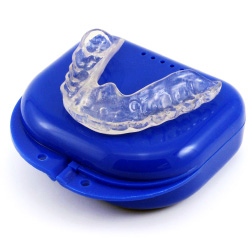
- Most Popular
- Hard Outside, Soft Inside
- 2MM Thick
- Moderate / Heavy
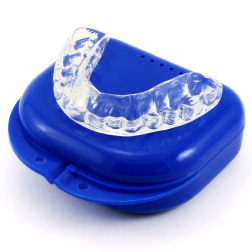
- Most Durable
- Hard Materials
- 1.5MM Thick
- Heavy / Severe
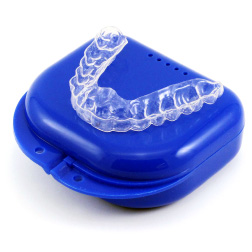
- For Day Time Use
- Thin, Barely Visible
- 1MM Thick
- Light / Moderate
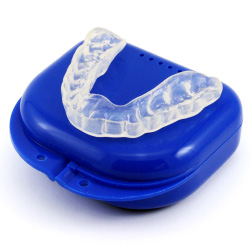
- For Clenching
- Flexible & Soft
- 1.5MM Thick
- Light / Moderate
How to Manage Teeth Drumming and Grinding
While both habits involve your teeth and jaw, they’re managed differently.
Managing Teeth Drumming
Teeth drumming is usually mild, but awareness helps stop it before it causes stress on your jaw.
Practice stress relief – deep breathing, stretching, or short breaks.
Notice your triggers – pay attention if it happens when you’re anxious, bored, or concentrating.
Redirect the habit – chew sugar-free gum or keep your mouth slightly open to avoid tapping.
Managing Teeth Grinding
Grinding applies more force and often needs professional care.
Use a custom-fit night guard – protects your teeth from wear and cracks during sleep.
Make lifestyle changes – cut back on caffeine, alcohol, and manage daily stress.
Improve sleep habits – stick to a routine and avoid screens before bed.
See your dentist – especially if you notice pain, headaches, or tooth damage.
Note: The key difference is that teeth drumming is more of a habit, while teeth grinding can be a serious dental issue. By paying attention to your triggers and making small changes, you can reduce drumming.
Related Articles:
FAQs About Teeth Drumming vs Teeth Grinding
1. Is teeth drumming the same as teeth grinding?
No. Teeth drumming is light tapping of your teeth, often when you’re stressed, bored, or focused. Teeth grinding (bruxism) is a forceful clenching or grinding action that can damage teeth over time.
2. Can teeth drumming damage my teeth?
Occasional drumming usually doesn’t cause harm. But frequent tapping can strain your jaw or cause small chips if done with force. If you notice pain or changes in your teeth, see your dentist.
3. Why do I drum my teeth?
Teeth drumming is often a subconscious habit linked to stress, anxiety, or concentration, similar to nail biting or tapping your fingers.
4. Do I need a night guard for teeth drumming?
Usually not, since drumming is light. But if you grind your teeth, a custom-fit night guard is one of the best ways to protect your teeth and jaw.
Conclusion
Teeth drumming and teeth grinding may sound alike, but they’re very different in how they affect your teeth and jaw. Drumming is usually a harmless habit, while grinding (bruxism) can cause serious damage if left untreated. Knowing the difference helps you take the right steps—whether that’s breaking a small habit or protecting your teeth with professional care.
If you think you’re grinding your teeth, a custom night guard can make a big difference. At Pro Teeth Guard, we offer affordable, dentist-quality night guards made from your dental impressions.
Protect your smile today, learn more about our custom night guards here.
References:
- Lal, S. J. (2024). Bruxism management. In StatPearls. NCBI Bookshelf. Retrieved [insert retrieval date], from https://www.ncbi.nlm.nih.gov/books/NBK482466/
- Deepthi, B. C. (2011). Bruxism: A literature review. Journal of Indian Prosthodontic Society, 10(3), 141–148. https://doi.org/10.1007/s13191-011-0041-5
- Uchima Koecklin, K. H., Aliaga-Del Castillo, A., & Li, P. (2024, October 1). The neural substrates of bruxism: Current knowledge and clinical implications. Frontiers in Neurology, 15, Article 1451183. https://doi.org/10.3389/fneur.2024.1451183
- Cleveland Clinic. (2023, December 18). Bruxism (teeth grinding). In Cleveland Clinic Health Library. Retrieved [insert retrieval date], from https://my.clevelandclinic.org/health/diseases/10955-teeth-grinding-bruxism
- Johns Hopkins Medicine. (n.d.). Bruxism. Retrieved [insert retrieval date], from https://www.hopkinsmedicine.org/health/conditions-and-diseases/bruxism
- Most Popular
- Hard Outside, Soft Inside
- 2MM Thick
- Moderate / Heavy
- Most Durable
- Hard Materials
- 1.5MM Thick
- Heavy / Severe
- For Day Time Use
- Thin, Barely Visible
- 1MM Thick
- Light / Moderate
- For Clenching
- Flexible & Soft
- 1.5MM Thick
- Light / Moderate