Why Do My Bottom Teeth Ache?
18th Jan 2026
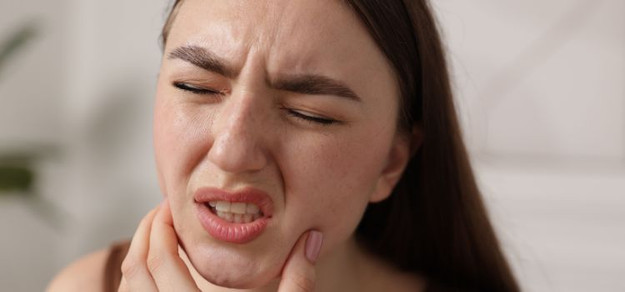
Bottom tooth pain can be annoying and even a little scary when you don’t know what is causing it. The truth is, lower teeth can ache for many reasons. Sometimes it is something as simple as sensitivity or sore gums.
Other times, it may be linked to grinding your teeth at night or an issue a dentist needs to check. In this guide, you will learn the most common causes of bottom tooth pain, what you can do for quick relief, and when it is best to see a dentist for help.
What Causes Bottom Teeth to Ache?
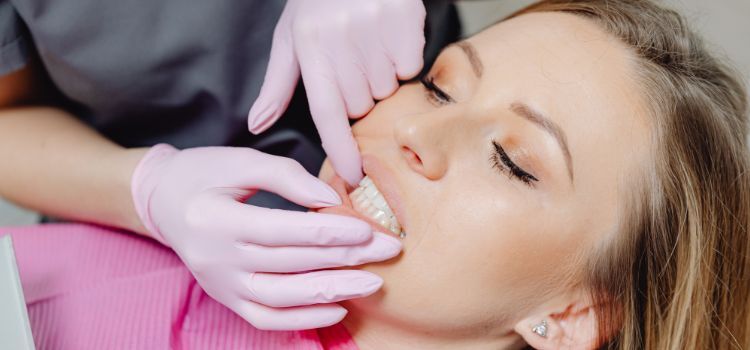
Bottom tooth pain can start in the teeth, the gums, or even the jaw muscles that support your bite. Sometimes it’s a quick, sharp zing. Other times it’s a dull ache that lingers.
The Connection Between Grinding and Bottom Tooth Pain
Why Grinding Affects the Bottom Teeth
Many people clench their jaw or grind their teeth at night without realizing it. This puts extra pressure on the lower molars, which can make them feel sore or tired in the morning.
Muscle Tension Adds to the Ache
Grinding tightens the jaw muscles. That tension can spread and create a dull ache in the bottom teeth even if the teeth themselves look fine.
Enamel Wear and Sensitivity
Constant grinding wears down the enamel. Thinner enamel makes bottom teeth more sensitive to cold drinks, sweets, and even breathing in cool air.
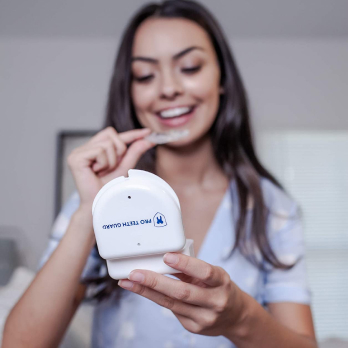
Pro tip: If you often wake up with sore bottom teeth, grinding might be the reason. Using a well-fitted night guard can make a big difference in how your teeth feel every morning.
Related Articles:
- Teeth Pain From Grinding
- How To Relieve Tooth Pain From Grinding?
- Worn Down Teeth Causes and Treatment
How to Relieve Bottom Tooth Pain at Home
If your bottom teeth ache, the goal at home is simple: calm the area down, avoid making it worse, and give your mouth a chance to recover.
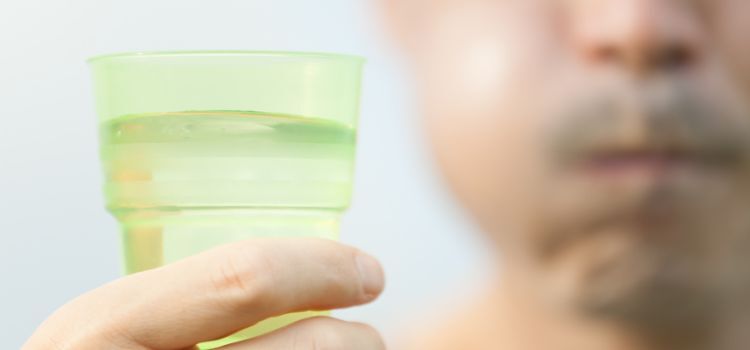
Start with a warm saltwater rinse. Swishing gently can soothe irritated gums and help keep the sore spot clean. If there’s swelling or the pain feels sharp, a cold compress on your cheek can numb the area and take the edge off.
For short-term relief, over-the-counter pain medicine like ibuprofen or acetaminophen may help reduce discomfort. While you’re healing, stick to soft foods so you’re not putting extra pressure on a sore tooth, and avoid obvious triggers like very hot drinks, ice-cold beverages, or sugary snacks if sensitivity is part of the problem.
If the ache seems worse in the morning or you suspect grinding at night, protecting your teeth while you sleep can make a big difference. A night guard helps cushion your bite and reduces the pressure that can leave your bottom teeth feeling sore.
Note: These tips can help for a short time. If the pain continues or gets worse, it is best to see a dentist for proper care.
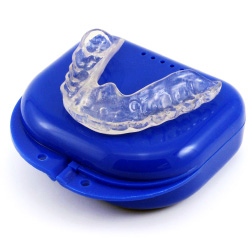
- Most Popular
- Hard Outside, Soft Inside
- 2MM Thick
- Moderate / Heavy
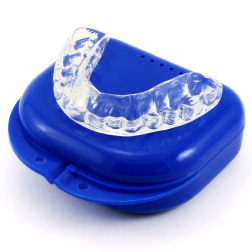
- Most Durable
- Hard Materials
- 1.5MM Thick
- Heavy / Severe
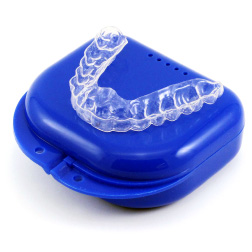
- For Day Time Use
- Thin, Barely Visible
- 1MM Thick
- Light / Moderate
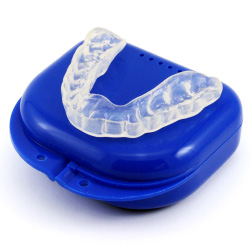
- For Clenching
- Flexible & Soft
- 1.5MM Thick
- Light / Moderate
How to Prevent Bottom Tooth Pain
Brush with Fluoride Toothpaste
Brush twice a day using a fluoride toothpaste to strengthen enamel, lower your risk of cavities, and help protect your bottom teeth from sensitivity over time.
Floss Daily
Flossing removes plaque and trapped food between teeth where a toothbrush can’t reach, which helps prevent gum irritation and reduces the chances of soreness starting near the gumline.
Visit the Dentist Regularly
Routine checkups and cleanings help spot small issues early, like minor decay, gum inflammation, or hairline cracks, before they turn into painful problems that are harder to treat.
Watch What You Eat and Drink
If your teeth are sensitive, cutting back on sugary snacks, very cold treats, and acidic drinks like soda or citrus beverages can help reduce enamel wear and keep discomfort from flaring up.
Wear a Custom-fit Night Guard if You Grind
If you clench or grind while sleeping, a custom night guard cushions your bite and reduces pressure on your lower teeth, which can prevent that dull morning ache and help protect enamel from long-term wear.
Note: Taking these simple steps can make a big difference in keeping bottom tooth pain away.
Related Articles:
- 5 Warning Signs You Need a Night Guard
- Teeth Feel Weird? 5 Common Issues
- How Long Does Teeth Grinding Pain Last?
When to See a Dentist
Sometimes bottom tooth pain means it is time to get help from a dentist. If the pain lasts more than two or three days, or keeps coming back, a dental checkup can help you understand what is going on.
If the pain feels severe or has a throbbing or pulsing feeling, it may be a sign of an infection that needs quick attention. Swelling in your gums, face, or jaw, or a fever along with tooth pain, are also important warning signs.
Pain when biting down can point to a cracked tooth, a loose filling, or another problem inside the tooth that needs to be treated. Bleeding or receding gums should not be ignored, because these symptoms often show early gum disease.
A bad taste in your mouth or bad breath that does not go away can also mean there is an infection under the gums or inside the tooth.
Pro Tip: If you notice any of these symptoms, seeing a dentist can help stop the pain, protect your smile, and prevent the issue from getting worse.
Frequently Asked Questions
Why do my bottom teeth hurt when I wake up?
Pain in the morning is often linked to nighttime teeth grinding or clenching. Your jaw muscles stay tense while you sleep, which makes your lower molars feel sore when you wake up.
Why do my bottom teeth hurt when I bite down?
This type of pain can be a sign of a cracked tooth, a loose filling, or decay under the surface. It is best to get it checked by a dentist.
Can only one bottom tooth hurt from grinding?
Yes. Research shows that grinding can create uneven wear and even serious damage in particular lower molars, while the surrounding teeth appear normal. This means one bottom tooth might end up feeling extra sore or sensitive compared to the rest.
Can stress cause lower tooth pain?
Stress often leads to clenching or grinding. This can strain your teeth and jaw and cause aching, especially in the bottom teeth.
How long should bottom tooth pain last?
Mild discomfort from sensitivity or irritation may improve within a day or two. Persistent pain that lasts longer should be checked by a dentist.
Conclusion
Bottom tooth pain can be uncomfortable and worrying, but most of the time there are clear reasons behind it. Whether it is sensitivity, gum irritation, or pressure from nighttime grinding, understanding the cause helps you take the right next step.
If teeth grinding is causing your bottom teeth to ache, a custom-fit night guard from Pro Teeth Guard can help protect your smile while you sleep. Choose the right night guard for your needs and enjoy dentist-quality comfort at home.
Reference:
- Gund, M. P., Wrbas, K.-T., Hannig, M., & Rupf, S. (2022). Apical periodontitis after intense bruxism. BMC Oral Health, 22(1), 91. https://doi.org/10.1186/s12903-022-02123-3
- Most Popular
- Hard Outside, Soft Inside
- 2MM Thick
- Moderate / Heavy
- Most Durable
- Hard Materials
- 1.5MM Thick
- Heavy / Severe
- For Day Time Use
- Thin, Barely Visible
- 1MM Thick
- Light / Moderate
- For Clenching
- Flexible & Soft
- 1.5MM Thick
- Light / Moderate