Why Do My Teeth Feel Weak?
10th Apr 2026

Have you ever bitten into something and thought, “Why do my teeth feel weak?” You’re not alone. Many people notice their teeth feeling sensitive, loose, or not as strong as before, and it can be worrying.
Weak-feeling teeth don’t always mean something serious. Often, it’s linked to habits, diet, or conditions like teeth grinding. Still, it’s important to understand the causes so you can protect your smile and know when to see a dentist.
We’ll walk you through the common reasons your teeth may feel weak, simple steps to strengthen them at home, and when to get professional help.
Is It Normal for Teeth to Feel Weak?

It’s common for teeth to feel a little sensitive or weak now and then, especially after eating hot, cold, or acidic foods. Research shows that dentin hypersensitivity, which can cause this weak or sensitive feeling, affects 10% to 30% of people at some point in their lives.
In many cases, the sensation is temporary and not a sign of serious damage. But if your teeth feel weak often, or the feeling lingers for several days, it could point to underlying issues such as enamel erosion, cavities, or gum problems.
Pro Tip: In those cases, a dental checkup is the safest next step.
Related Articles:
Common Causes of Weak Teeth
Enamel erosion
Acidic foods, sugary drinks, and even stomach acid from reflux can gradually wear down enamel. Research shows that dental erosion is a common consequence of frequent acid exposure, and dentists identify it as one of the leading causes of teeth feeling weak.
Tooth decay
Cavities weaken the structure of teeth as bacteria break down enamel and dentin. The CDC notes that tooth decay remains one of the most widespread chronic conditions, often causing teeth to feel sensitive or fragile.
Gum disease
When gums become inflamed or start to recede, teeth lose part of their natural support. According to the National Institute of Dental and Craniofacial Research, gum disease can make teeth feel loose or unstable if left untreated.
Teeth grinding (bruxism)
Clenching or grinding your teeth at night puts constant pressure on them. A consensus report defines bruxism as a repetitive jaw-muscle activity that can contribute to tooth wear, and reviews link it with a higher risk of enamel cracks and sensitivity.
Vitamin or mineral shortfalls
Your diet plays a big role in tooth strength. Low levels of vitamin D and calcium are linked with weaker teeth and a higher risk of decay. Studies confirm that these nutrients are essential for healthy enamel and bone maintenance.
Medical conditions or medications
Some health conditions and medicines can also affect your teeth. For example, dry mouth reduces saliva, which normally protects enamel and washes away acids. The NIDCR explains that this raises the risk of decay. Osteoporosis is another condition linked to tooth and bone loss, as highlighted by recent research in BMC Oral Health.
When Weak Teeth Could Be a Sign of a Bigger Problem
Sometimes, teeth that feel weak are more than just a minor issue. If you notice the following, it may be a sign that something serious is going on:
- Persistent discomfort – If your teeth feel weak or sensitive for more than a few days.
- Loose teeth – Adult teeth should never feel wobbly.
- Bleeding or swollen gums – This may signal gum disease that needs treatment.
- Pain while chewing – Ongoing pain when biting down could point to decay or other dental issues.
- Visible cracks or chips – Damage to enamel can make teeth structurally weaker.
Pro Tip: If you experience these symptoms, it’s best to schedule a dental checkup. Early care can prevent small problems from turning into bigger ones.
Related Articles:
- How To Relieve Tooth Pain From Grinding?
- What To Do For A Cracked Tooth?
- 5 Warning Signs You Need a Night Guard
How to Strengthen Weak Teeth at Home

If your teeth feel weak, there are simple steps you can take to protect and strengthen them:
Brush with fluoride toothpaste
Fluoride helps protect and strengthen enamel. Brushing twice a day with fluoride toothpaste can lower the risk of cavities and slow enamel wear. It also helps protect weak spots. Brush gently to avoid irritating your gums and enamel.
Try nano-hydroxyapatite toothpaste
Nano-hydroxyapatite is a mineral similar to the material in your teeth. It may help support weak areas on the tooth surface and reduce sensitivity. Some people use it instead of fluoride toothpaste or along with it. With regular use, it may help support enamel strength.
Rinse with fluoride mouthwash
Fluoride mouthwash adds extra protection, especially in areas your toothbrush may miss. It helps strengthen enamel and lower the risk of decay. Using it once a day can support your brushing routine. Choose an alcohol-free formula if your teeth or gums are sensitive.
Limit acidic and sugary foods
Acidic foods and drinks can wear down enamel. Sugary foods feed bacteria that produce acids that weaken teeth. Cutting back on soda, citrus drinks, and sweets can help protect enamel. Rinse your mouth with water after having them.
Stay hydrated
Water helps your body produce saliva. Saliva helps protect teeth by washing away food and reducing acids. Dry mouth can raise the risk of decay and sensitivity. Drink water throughout the day.
Eat a balanced diet
Your teeth need nutrients to stay strong. Calcium and vitamin D help support healthy enamel and bones. Foods like milk, cheese, leafy greens, and fish are good choices. A balanced diet supports oral health.
Wear a night guard
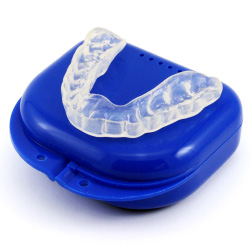
If you grind or clench your teeth, a custom-fit night guard can help protect them while you sleep. Grinding puts pressure on teeth and can wear them down over time. A night guard creates a barrier that helps reduce damage. Custom-fit guards usually provide better protection than generic ones.
Note: These habits won’t fix severe dental problems, but they can go a long way in keeping your teeth strong day to day.
Professional Treatments for Weak Teeth
If home care isn’t enough, a dentist can recommend treatments to strengthen and protect your teeth. Here are some common options:
Dental cleaning and scaling
Professional cleaning removes plaque and tartar that brushing cannot fully remove. This helps protect your enamel and gums. If gum disease is present, scaling can remove buildup below the gumline. This helps prevent further damage.
Fillings or crowns
A filling may be used if a tooth has a cavity or minor damage. A crown may be needed if the tooth has lost more structure. Both treatments restore strength and function. They also help protect the tooth from further wear.
Bonding or sealants
Bonding can cover small chips, worn spots, or exposed areas. Sealants add a protective layer to surfaces that are more likely to decay. These treatments can reduce sensitivity and help prevent more wear. They are often done in one visit.
Fluoride treatments
Professional fluoride treatments use a stronger amount of fluoride than store products. This helps strengthen enamel and protect weak areas. Dentists may suggest this if you have early enamel wear or frequent sensitivity. It is a simple treatment that supports daily oral care.
Custom night guards
If grinding or clenching is weakening your teeth, a custom night guard can help. It fits better than a store-bought guard and gives more reliable protection. It helps reduce pressure on your teeth while you sleep. This can prevent more wear over time.
Orthodontic solutions
Bite problems or crooked teeth can put too much pressure on certain teeth. Orthodontic treatment can correct alignment and spread biting force more evenly. This can reduce stress on weak teeth. It can also improve long-term oral health.
Note: These treatments not only help repair current issues but also prevent future damage. If your teeth often feel weak, a professional checkup is the safest way to protect your smile.
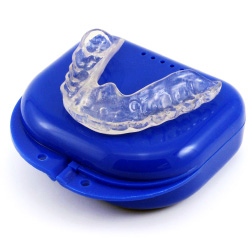
- Most Popular
- Hard Outside, Soft Inside
- 2MM Thick
- Moderate / Heavy
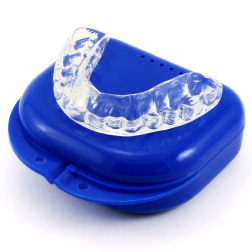
- Most Durable
- Hard Materials
- 1.5MM Thick
- Heavy / Severe
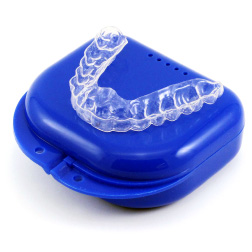
- For Day Time Use
- Thin, Barely Visible
- 1MM Thick
- Light / Moderate
- For Clenching
- Flexible & Soft
- 1.5MM Thick
- Light / Moderate
FAQs About Weak Teeth
1. Can weak teeth become strong again?
Yes, to some extent. Enamel can’t regrow once it’s gone, but fluoride, a healthy diet, and good oral care can strengthen the remaining structure.
2. Do weak teeth mean I’ll lose them?
Not always. Weak teeth don’t automatically mean tooth loss, but untreated issues like decay or gum disease can lead to it over time.
3. Is tooth sensitivity the same as weak teeth?
Not exactly. Sensitivity is often caused by exposed dentin, while “weak teeth” can feel fragile for different reasons. Still, the two often overlap.
Final Thoughts: Protecting Your Smile
Feeling like your teeth are weak can be worrying, but most cases can be managed with the right care. Brushing with fluoride toothpaste, eating a balanced diet, and protecting your teeth from grinding all help keep them strong.
If the weak feeling continues, or you notice pain, loose teeth, or gum changes, schedule a dental checkup. Catching problems early prevents them from getting worse.
If grinding is part of the issue, a custom-fit night guard can provide strong protection. At Pro Teeth Guard, you can order a professionally made guard at home for less than the cost at a dental office.
Taking small steps now will help keep your teeth healthy and strong for years to come.
References:
- Ranjitkar, S., Kaidonis, J. A., & Smales, R. J. (2012). Gastroesophageal reflux disease and tooth erosion. International Journal of Dentistry, 2012, Article 479850. https://doi.org/10.1155/2012/479850
- American Dental Association. (2021, August 31). Dental erosion. In ADA Oral Health Topics. Retrieved [insert retrieval date], from https://www.ada.org/resources/ada-library/oral-health-topics/dental-erosion
- Centers for Disease Control and Prevention. (2024, May 15). About cavities (tooth decay). Retrieved [insert retrieval date], from https://www.cdc.gov/oral-health/about/cavities-tooth-decay.html
- National Institute of Dental and Craniofacial Research. (2024, November). Periodontal (gum) disease. Retrieved [insert retrieval date], from https://www.nidcr.nih.gov/health-info/gum-disease
- Wetselaar, P., Manfredini, D., Ahlberg, J., Johansson, A., Aarab, G., Papagianni, C. E., Reyes Sevilla, M., Koutris, M., & Lobbezoo, F. (2019). Associations between tooth wear and dental sleep disorders: A narrative overview. Journal of Oral Rehabilitation, 46(8), 765–775. https://doi.org/10.1111/joor.12807
- Botelho, J., Machado, V., Proença, L., Delgado, A. S., & Mendes, J. J. (2020). Vitamin D deficiency and oral health: A comprehensive review. Nutrients, 12(5), 1471. https://doi.org/10.3390/nu12051471
- National Institutes of Health, Office of Dietary Supplements. (2025, July 11). Calcium: Health Professional Fact Sheet. Retrieved [insert retrieval date], from https://ods.od.nih.gov/factsheets/Calcium-HealthProfessional/
- National Institute of Dental and Craniofacial Research. (n.d.). Dry mouth (xerostomia): Causes, symptoms, diagnosis, and treatment. Retrieved [insert retrieval date], from https://www.nidcr.nih.gov/health-info/dry-mouth
- Peng, J., Chen, J., Liu, Y., Lyu, J., & Zhang, B. (2023). Association between periodontitis and osteoporosis in United States adults from the National Health and Nutrition Examination Survey: A cross-sectional analysis. BMC Oral Health, 23(1), Article 254. https://doi.org/10.1186/s12903-023-02990-4
- O’Hagan-Wong, K., Enax, J., Meyer, F., & Ganss, B. (2021). The use of hydroxyapatite toothpaste to prevent dental caries. Odontology, 110(2), 223–230. https://doi.org/10.1007/s10266-021-00675-4
- Most Popular
- Hard Outside, Soft Inside
- 2MM Thick
- Moderate / Heavy
- Most Durable
- Hard Materials
- 1.5MM Thick
- Heavy / Severe
- For Day Time Use
- Thin, Barely Visible
- 1MM Thick
- Light / Moderate
- For Clenching
- Flexible & Soft
- 1.5MM Thick
- Light / Moderate