Can Invisalign Help With Bruxism and TMJ?
27th Jun 2026
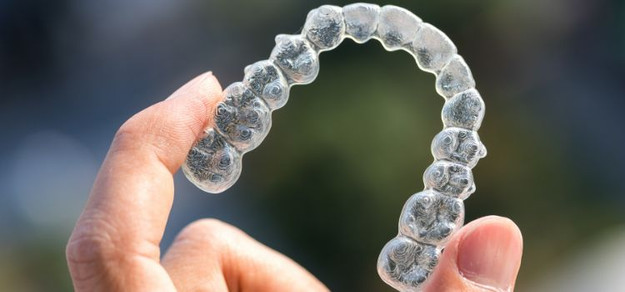
If you grind your teeth or have jaw pain, you may wonder if Invisalign can help. Bruxism and TMJ issues can lead to headaches, sore jaw muscles, and worn teeth. Invisalign can help when the problem is caused by a bite alignment issue, but it will not fix most grinding or TMJ symptoms on its own.
This guide explains when Invisalign can help, when it cannot help, and why many people still need a custom night guard to protect their teeth.
Can Invisalign Help With Bruxism
When Invisalign Can Help
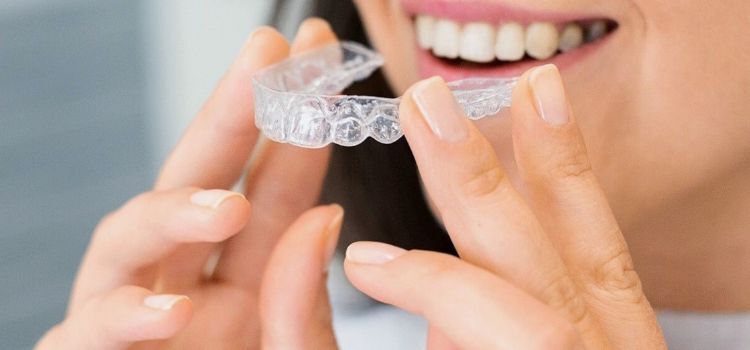
Invisalign may help with bruxism when the grinding is caused by an uneven bite. If certain teeth hit before others, the jaw may shift or tighten to compensate.
One clinical study of 100 patients found that over time, patients reported less clenching and grinding, less muscle contraction, and less jaw joint pain while in aligner treatment.
When Invisalign Cannot Help
Invisalign will not stop grinding that comes from stress, sleep issues, or muscle tension. It also does not prevent the brain from sending clenching signals at night. Many people still grind even with a corrected bite.
Some research also indicates that aligners might slightly increase muscle activity early in treatment as the jaw adapts, which could temporarily make symptoms feel worse before they improve
Note: The main point is that Invisalign may help some people, but it is not a reliable or complete treatment for most cases of bruxism.
Can Invisalign Help With TMJ Disorder
When Invisalign May Help TMJ Symptoms
Invisalign may help if TMJ pain is caused by an uneven bite. When the teeth do not meet properly, the jaw joint can work harder and become strained. By moving the teeth into a healthier position, Invisalign may reduce pressure on the joint and improve comfort for some people.
One study found that clear aligner therapy changed the way muscles in the mouth work, which may affect how the jaw behaves during biting and movement.
When Invisalign Will Not Help TMJ
Invisalign will not help TMJ symptoms caused by muscle tension, stress, arthritis, or injury. It also does not stop nighttime clenching, which is one of the most common triggers of TMJ pain.
Some people need other treatments such as a custom-fit night guard, jaw exercises, or lifestyle changes to manage TMJ symptoms.
Note: The key point is that Invisalign may help only when a bite problem is creating stress on the jaw joint. It is not a full treatment for most TMJ issues.
Why People Think Invisalign Can Help With Bruxism and TMJ
Many people believe Invisalign can help because it improves how the teeth fit together. If the bite is uneven, the jaw may work harder, which can lead to grinding and TMJ pain. When Invisalign moves the teeth into a better position, the jaw may feel less strain.
The aligners also act as a thin barrier between the teeth, but they are not strong enough to protect against heavy nighttime grinding.
Note: Invisalign can help only when bite alignment is the main cause of the problem. It will not fix bruxism or TMJ that comes from stress, muscle tension, sleep issues, or other medical factors.
Related Articles:
- Invisalign vs Night Guard for Teeth Grinding
- Cracked Retainer From Grinding
- Retainer vs Night Guard for Teeth Grinding
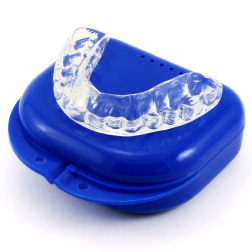
- Most Popular
- Hard Outside, Soft Inside
- 2MM Thick
- Moderate / Heavy
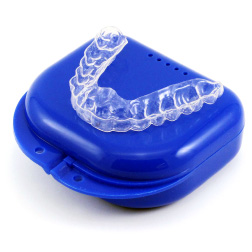
- Most Durable
- Hard Materials
- 1.5MM Thick
- Heavy / Severe
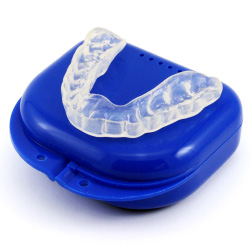
- For Day Time Use
- Thin, Barely Visible
- 1MM Thick
- Light / Moderate
- For Clenching
- Flexible & Soft
- 1.5MM Thick
- Light / Moderate
Invisalign vs Night Guard: Which One Do You Need
Invisalign and night guards both help with oral health, but they serve different purposes. Understanding the difference makes it easier to choose the right option for your symptoms.
How Invisalign Helps
- Moves the teeth into a healthier position
- Can reduce bite problems that place stress on the jaw
- May improve TMJ or grinding symptoms when misalignment is the main cause
- Supports long term bite correction
How a Night Guard Helps
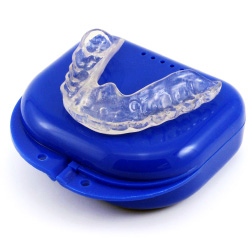
- Protects the teeth from grinding forces
- Reduces pressure on the jaw muscles and TMJ
- Helps prevent chips, cracks, and wear
- Works immediately and is used during sleep
Note: Invisalign aligns the teeth. A night guard protects the teeth. They can work together when someone has both alignment issues and nighttime grinding.
Can You Wear Invisalign If You Grind Your Teeth
Yes. You can wear Invisalign even if you grind your teeth. Many patients with bruxism use clear aligners without problems. The trays act as a light barrier between the upper and lower teeth, which may offer some short term protection during the day.
However, Invisalign is not designed to handle strong nighttime grinding. Heavy grinding can:
- Wear down the trays
- Crack or distort the plastic
- Cause the aligners to lose their fit
Pro tip: If you grind your teeth at night, a custom night guard is still recommended after Invisalign treatment is complete. A night guard is stronger and made to absorb the force of clenching during sleep.
Related Articles:
- Guide to Choosing the Right Night Guard
- Night Guard Online vs Dentist
- How to Get Used to Wearing a Night Guard
Other Helpful Treatments for Bruxism and TMJ

Invisalign can help with alignment, but many people need other tools and habits to manage grinding or jaw pain. These options can support your jaw muscles, reduce tension, and protect your teeth.
Warm Compress
A warm compress on the jaw can help relax tight muscles. This may reduce soreness after a night of grinding.
Jaw Exercises
Gentle stretching and relaxation exercises can improve jaw movement and ease muscle tension. Dentists often recommend simple routines you can do at home.
Stress Management
Stress is a common trigger for clenching. Breathing exercises, meditation, or basic relaxation techniques may help lower muscle tension.
Limit Caffeine and Alcohol
Caffeine and alcohol can increase muscle activity during sleep. Reducing them, especially in the evening, may lessen grinding at night.
Physical Therapy
Some people benefit from targeted jaw and neck exercises guided by a physical therapist.
Medical Support
For muscle-related bruxism, some dentists or doctors may suggest treatments designed to relax overactive jaw muscles. These options depend on your symptoms and should be discussed with a professional.
Note: These steps can be used along with Invisalign or a night guard to improve comfort and protect the teeth.
FAQ:
Can Invisalign stop teeth grinding?
No. Invisalign does not stop teeth grinding. It can help when grinding is caused by a bite alignment problem, but it does not prevent clenching that comes from stress, sleep issues, or muscle tension.
Can you use Invisalign if you grind your teeth at night?
Yes. You can use Invisalign even if you grind your teeth. However, heavy nighttime grinding can wear down the trays. A custom night guard is still recommended after Invisalign treatment.
Should you get a night guard after Invisalign?
Yes, if you grind your teeth. A night guard protects the enamel and maintains your alignment results long term.
Does Invisalign protect teeth from grinding?
Only a little. The trays act as a thin barrier, but they are not designed for strong grinding forces. They can crack or wear down if the grinding is severe.
Conclusion
Invisalign can help with bruxism and TMJ when bite alignment is the main cause, but it will not stop grinding for most people. Many patients still need a custom night guard to protect their teeth and reduce jaw strain, even after their bite is corrected.
A night guard is the best way to protect your teeth from long term grinding damage.
If you need a reliable custom-fit night guard, Pro Teeth Guard offers custom fitted guards made in a professional dental lab, delivered straight to your home.
References:
- Aldayel, A. M., AlGahnem, Z. J., Alrashidi, I. S., AlHargan, A. H., AlQahtani, N. M., & AlShamlan, N. A. (2023). Orthodontics and temporomandibular disorders: An overview. Cureus, 15(10), e47049. https://doi.org/10.7759/cureus.47049
- Olteanu, N. D., Romanec, C., Cernei, E. R., Karvelas, N., Nastri, L., & Zetu, I. N. (2025). Scoping review—The effectiveness of clear aligners in the management of anterior open bite in adult patients. Medicina, 61(6), 1113. https://doi.org/10.3390/medicina61061113
- Heleiwa-Ferioli, T., & de la Cruz Vigo, S. (2024). Association between bruxism and the use of aligners in orthodontics. Journal of Clinical and Experimental Dentistry, 16(10), e1247–e1255. https://doi.org/10.4317/jced.61951
- Almalki, S. A., Al Jameel, A. H., Gowdar, I. M., Langaliya, A., Vaddamanu, S. K., Di Blasio, M., Cervino, G., & Minervini, G. (2024). Impact of clear aligner therapy on masticatory musculature and stomatognathic system: A systematic review conducted according to PRISMA guidelines and the Cochrane Handbook for systematic reviews of interventions. BMC Oral Health, 24, Article 350. https://doi.org/10.1186/s12903-024-04029-8
- Most Popular
- Hard Outside, Soft Inside
- 2MM Thick
- Moderate / Heavy
- Most Durable
- Hard Materials
- 1.5MM Thick
- Heavy / Severe
- For Day Time Use
- Thin, Barely Visible
- 1MM Thick
- Light / Moderate
- For Clenching
- Flexible & Soft
- 1.5MM Thick
- Light / Moderate