EDS and Teeth Grinding (Bruxism)
20th Dec 2025
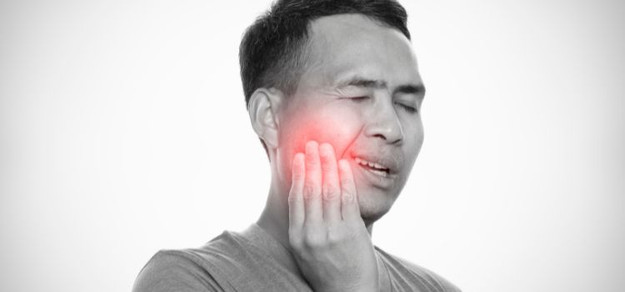
If you live with Ehlers-Danlos Syndrome (EDS), you may already know how it affects your joints and connective tissues. But did you know it can also impact your jaw and teeth? Many people with EDS notice teeth grinding (bruxism), jaw pain, or clicking sounds when they chew or yawn.
This blog will explain the connection between EDS and teeth grinding, the signs to watch for, and safe ways to protect your teeth.
What is EDS and How Can It Affect the Jaw?

Ehlers-Danlos Syndrome (EDS) is a group of connective tissue disorders that weaken collagen. Collagen is what holds everything together—skin, ligaments, joints, including the jaw. When collagen is fragile, the joints can become looser than they should be.
Multiple studies describe a higher prevalence of TMJ and jaw problems in EDS patients:
- A recent exploratory study found that about 49% of people with classical or hypermobile EDS reported painful or limited jaw movements, and over 84% had pain in the muscles used for chewing. Nearly half already had a diagnosed temporomandibular disorder (TMD).
- A narrative review specifically looking at EDS and TMD noted that most observational reports show increased rates of TMJ disorders, myalgia, and disc issues in people with EDS compared to the general population.
- Another article showed that systemic joint hypermobility (a hallmark of many EDS cases) is strongly linked to TMJ hypermobility and jaw dysfunctions.
Note: EDS doesn’t just affect the body’s flexibility—it can also make jaw problems and teeth grinding more common.
EDS and Teeth Grinding
Teeth grinding (bruxism) happens when you clench or grind your teeth, often without noticing. In people with Ehlers-Danlos Syndrome (EDS), this can be more common because the jaw joints are loose and unstable.
When the jaw is hypermobile, the muscles have to work harder to keep it in place. This extra strain can lead to clenching during the day or grinding at night. Stress and poor sleep, which many people with EDS also experience, can make it worse.
Note: weak connective tissue makes the jaw less stable, and this often leads to more clenching, grinding, and jaw pain.
Related Articles
- Red Light Therapy For Bruxism
- 6 Tips for Better Sleep Through Better Air Quality
- The Relationship Between Stress, Insomnia, and Sleep Bruxism
Signs and Symptoms of EDS-Related Teeth Grinding
Teeth grinding can be hard to notice, especially if it happens at night. If you have EDS, look out for these common signs:
Worn or chipped teeth – teeth may look flat or damaged over time.
Jaw pain or stiffness – soreness, especially in the morning.
Clicking or popping sounds – when opening or closing the mouth.
Headaches – often around the temples or forehead.
Tooth sensitivity – pain when eating hot, cold, or sweet foods.
Tired jaw muscles – feeling like your jaw has been working too hard.
Poor sleep – grinding at night can disturb your rest.
Note: Not everyone will have all these symptoms, but even a few can be a sign of grinding. Catching it early helps prevent more serious problems later.
Risks of Untreated Teeth Grinding with EDS
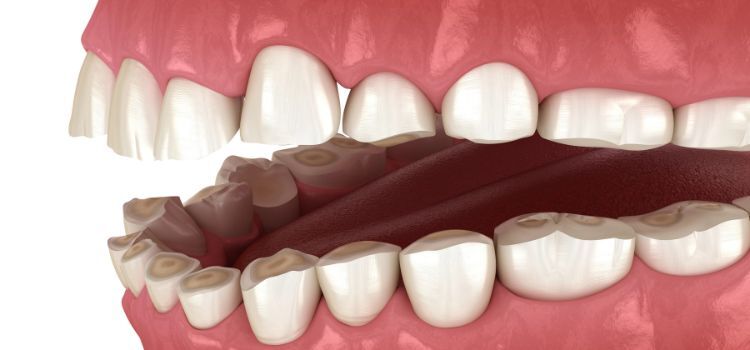
If teeth grinding isn’t treated, it can lead to bigger problems—especially for people with EDS, since their joints and tissues are more fragile.
Tooth Damage
Constant grinding slowly wears down the protective enamel on your teeth. Over time, this can cause flat or uneven biting surfaces, small cracks, and even broken teeth.
TMJ Disorders
Because the temporomandibular joint (TMJ) is already more unstable in people with EDS, untreated grinding places extra strain on the joint..
Increased Tooth Sensitivity
Worn enamel exposes the inner layers of the teeth, which are more sensitive. This can make eating or drinking hot, cold, or sweet foods uncomfortable, sometimes even painful.
Headaches and Muscle Pain
The muscles that control the jaw are not designed to stay tense for long periods. When they are overworked from grinding, pain and tightness often spread beyond the jaw to the temples, forehead, and even the neck and shoulders.
Sleep Problems
Grinding during sleep can cause frequent awakenings and restless nights. Over time, this lack of quality sleep may lead to fatigue, poor concentration, and a lower quality of life.
Safe Solutions and Treatments for Teeth Grinding with EDS
If you have Ehlers-Danlos Syndrome (EDS), protecting your teeth and jaw from grinding is important. Here are some safe options:
Custom Night Guards
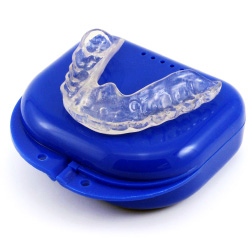
A custom-fit night guard creates a barrier between your teeth, reduces pressure on the jaw, and prevents long-term damage. For people with EDS, it also helps protect the fragile TMJ.
Stress and Lifestyle Management
Stress can trigger clenching. Relaxation, good sleep habits, and avoiding caffeine or alcohol at night can reduce grinding.
Jaw-Friendly Habits
Avoid chewing gum, biting nails, or eating tough foods. Keep your teeth slightly apart when resting to ease muscle tension.
Professional Dental Care
A dentist familiar with EDS can spot early signs of grinding, provide the right guard, and recommend further care if needed.
Medical Support
In severe cases, doctors may suggest pain relief, muscle relaxants, or physical therapy to ease strain on the jaw.
Related Articles:
- 5 Warning Signs You Need a Night Guard
- Guide to Choosing the Right Night Guard
- How Should a Night Guard Fit?
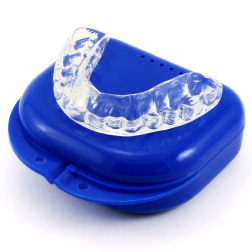
- Most Popular
- Hard Outside, Soft Inside
- 2MM Thick
- Moderate / Heavy
- Most Durable
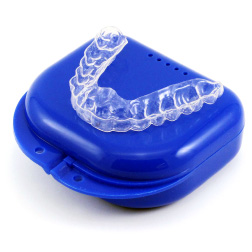
- Hard Materials
- 1.5MM Thick
- Heavy / Severe
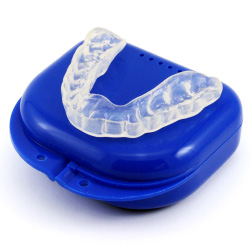
- For Day Time Use
- Thin, Barely Visible
- 1MM Thick
- Light / Moderate
- For Clenching
- Flexible & Soft
- 1.5MM Thick
- Light / Moderate
FAQs About EDS and Teeth Grinding
Does EDS cause teeth grinding?
Not directly, but weak connective tissue and jaw instability in EDS make grinding and clenching more likely.
What is the best night guard for people with EDS?
A custom-fit night guard is best. It protects teeth and reduces pressure on the TMJ better than over-the-counter guards.
Can EDS make TMJ worse?
Yes. Because EDS weakens joints, the TMJ is more prone to pain, clicking, and strain when combined with grinding.
Is it safe to use a night guard with EDS?
Yes. In fact, it’s one of the safest and most effective ways to protect your teeth and jaw.
Conclusion
Teeth grinding is common in people with Ehlers-Danlos Syndrome (EDS) because of joint looseness and jaw instability. Left untreated, it can lead to tooth damage, TMJ pain, and poor sleep.
The good news is that there are safe ways to protect your teeth and jaw—like using a custom night guard, improving daily habits, and getting the right dental care.
At Pro Teeth Guard, we make custom night guards designed to fit comfortably and protect your smile. With a perfect fit and a money-back guarantee, you can get the relief you need without the high cost of a dentist’s office.
Take the first step toward healthier teeth and a better night’s sleep. Order your custom night guard today
References:
- Mitakides, J., & Tinkle, B. T. (2017). Oral and mandibular manifestations in the Ehlers–Danlos syndromes. American Journal of Medical Genetics Part C: Seminars in Medical Genetics, 175(1), 220–225. https://doi.org/10.1002/ajmg.c.31541
- Oelerich, O., Daume, L., Yekkalam, N., & Hanisch, M. (2024). Temporomandibular disorders among Ehlers-Danlos syndromes: A narrative review. Journal of International Medical Research, 52(4). https://doi.org/10.1177/03000605241242582
- Willich, L., Bohner, L., Köppe, J., Jackowski, J., Hanisch, M., & Oelerich, O. (2023). Prevalence and quality of temporomandibular disorders, chronic pain and psychological distress in patients with classical and hypermobile Ehlers-Danlos syndrome: An exploratory study. Orphanet Journal of Rare Diseases, 18, Article 294. https://doi.org/10.1186/s13023-023-02877-1
- Most Popular
- Hard Outside, Soft Inside
- 2MM Thick
- Moderate / Heavy
- Most Durable
- Hard Materials
- 1.5MM Thick
- Heavy / Severe
- For Day Time Use
- Thin, Barely Visible
- 1MM Thick
- Light / Moderate
- For Clenching
- Flexible & Soft
- 1.5MM Thick
- Light / Moderate