How Long Does TMJ Last If Left Untreated?
21st Mar 2026

If your jaw hurts, clicks, or feels tight, you might be wondering: Will this go away on its own? TMJ (temporomandibular joint) issues can be uncomfortable and annoying, especially when they don’t seem to improve.
For some people, the pain fades over time. But for others, it can stick around or get worse. In this article, we’ll explain how long TMJ might last without treatment, what can happen if you leave it untreated, and when it’s time to get help.
How Long Can TMJ Problems Last Without Treatment?

If you have TMJ, Dr. Erin Fraundorf, a board-certified orthodontist, says symptoms often come and go. They tend to get worse during stressful times and feel better when you're more relaxed. But without treatment, those painful cycles can happen more often and last longer.
For some people, mild TMJ symptoms may go away on their own in a few days or weeks with rest and stress relief.
In one study that followed people who didn’t get treatment for a TMJ disc problem, results were mixed over 2.5 years: about 43% had no symptoms anymore, but around 25% didn’t improve or eventually needed treatment.
In more serious cases, TMJ can become chronic, lasting for months or even years.
What Happens If TMJ Goes Untreated?
Leaving TMJ untreated can lead to bigger problems over time. What might start as a little jaw pain can turn into daily discomfort or even permanent damage if ignored.
Here’s What Can Happen If TMJ Isn’t Managed:
Chronic jaw pain: Pain can become more frequent and intense.
Jaw clicking or locking: Your jaw might start to pop, click, or get stuck when you open your mouth.
Headaches and earaches: TMJ can cause tension headaches and pain around the ears.
Tooth damage: Grinding and clenching can wear down your teeth or cause them to shift.
Muscle fatigue: The muscles around your jaw may feel sore or tired, especially after chewing or talking.
Note: Over time, untreated TMJ can affect your ability to eat, speak, and sleep comfortably. In some cases, the joint itself can become damaged, making it harder to treat later on.
Related Articles:
When Should You See a Dentist or TMJ Specialist?
Not all jaw pain needs treatment right away — but some signs mean it’s time to get help.
You should see a dentist or TMJ specialist if:
- Your jaw pain lasts more than a few weeks
- The pain keeps coming back or is getting worse
- Your jaw clicks, pops, or locks often
- You have trouble chewing or speaking
- You’re getting frequent headaches, neck pain, or earaches
- You notice your teeth feel sensitive or look worn down
Pro Tip: If TMJ is affecting your daily life, don’t wait. Getting help early can prevent long-term damage and make treatment easier.
What Can You Do at Home in the Meantime?
If your TMJ symptoms are mild, or you're waiting to see a dentist, a few simple habits can help reduce pain and prevent things from getting worse. Here are some easy ways to care for your jaw at home:
Use Warm or Cold Packs
Apply a warm compress or ice pack to your jaw for 10–15 minutes to help reduce pain and swelling.
Eat Soft Foods
Stick to easy-to-chew meals like soup, mashed potatoes, yogurt, or scrambled eggs to give your jaw a break.
Avoid Gum and Hard Foods
Cut back on gum, nuts, chewy snacks, and tough meats. These can strain your jaw and make symptoms worse.
Practice Stress Relief
Stress can lead to clenching or grinding. Try deep breathing, meditation, or stretching to help relax your jaw muscles.
Try Gentle Jaw Exercises
Some light stretches may help improve jaw movement — but only do them if recommended by a dental professional.
Sleep on Your Back
Sleeping on your back with proper head support can help take pressure off your jaw while you rest.
Note: These tips may offer some relief, but they’re not a long-term fix. If your symptoms last or get worse, it’s best to talk to a dentist or TMJ specialist who can recommend the right treatment for you.
Understanding TMJ Disorder

The TMJ (temporomandibular joint) is the hinge that connects your jaw to your skull — right in front of your ears. You use it every day to talk, chew, yawn, and smile. When this joint isn’t working properly, it can cause pain, clicking, stiffness, or even jaw locking. This is called TMJ disorder, or TMD.
TMJ Problems Are More Common Than Many People Realize:
- Around 5% to 12% of adults have TMJ symptoms that need treatment (NIDCR).
- Up to 70% of people may show signs like jaw clicking, even if they don’t feel pain (Champaign Dental Group).
- It’s most common between ages 20 to 40, and women are more likely to be affected (AAFP).
Common Causes Include:
- Teeth grinding or clenching (especially at night)
- Stress, which can tighten your jaw muscles
- Injury to the jaw or face
- Arthritis or joint wear and tear
- Bite problems or dental issues
Note: Some people feel mild discomfort now and then, while others deal with constant jaw pain. Knowing the signs early can help you avoid bigger problems later on.
Do Night Guards Help TMJ?
Yes — custom-fit night guards can really help with TMJ, especially if you grind or clench your teeth.
A night guard is a soft or hard mouthpiece you wear while sleeping. It creates a barrier between your upper and lower teeth, which helps:
- Reduce pressure on your jaw
- Protect your teeth from damage
- Stop clenching and grinding
- Relax your jaw muscles at night
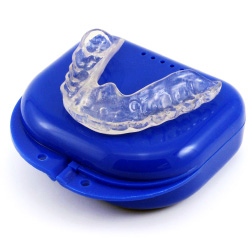
- Most Popular
- Hard Outside, Soft Inside
- 2MM Thick
- Moderate / Heavy
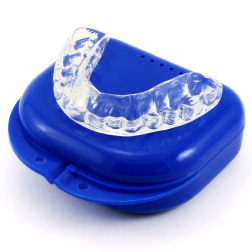
- Most Durable
- Hard Materials
- 1.5MM Thick
- Heavy / Severe
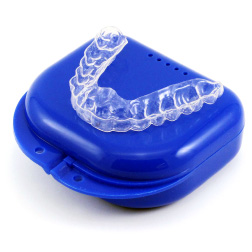
- For Day Time Use
- Thin, Barely Visible
- 1MM Thick
- Light / Moderate
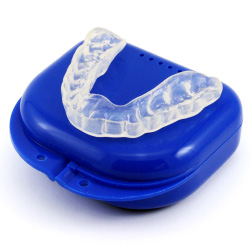
- For Clenching
- Flexible & Soft
- 1.5MM Thick
- Light / Moderate
What Research Says About Night Guard For TMJ Relief
Studies show that night guards can reduce TMJ pain and improve jaw function over time:
- A 2018 study found that people with TMJ felt better after using a night guard regularly for 6–12 months.
- Another study showed night guards help reduce jaw joint stress during clenching and grinding.
Bottom Line: If your TMJ is related to teeth grinding, a custom night guard is a simple, non-invasive way to protect your jaw and feel better.
Related Articles:
- Mouth Guard for TMJ and Bruxism
- Guide to Choosing the Right Night Guard
- Can Mouth Guards Make TMJ Worse?
Should You Leave TMJ Untreated?
It might be tempting to wait and see if your TMJ symptoms go away on their own — and in some mild cases, they do. But if the pain keeps coming back, gets worse, or starts affecting your daily life, it’s not something you should ignore.
The good news is, TMJ is treatable, and early care can make a big difference. Simple steps like wearing a night guard, managing stress, or seeing a dentist can help you feel better and prevent long-term damage.
FAQs About TMJ and Treatment
1. How long does TMJ last if untreated?
Mild TMJ may last a few days to weeks and go away on its own. But without treatment, moderate to severe TMJ can last for months or even years and may worsen over time.
2. Can TMJ go away on its own?
Yes, in some mild cases TMJ symptoms may improve with rest and stress reduction. However, recurring or worsening symptoms usually need treatment.
3. What are the risks of leaving TMJ untreated?
Untreated TMJ can lead to chronic jaw pain, headaches, difficulty chewing, jaw locking, and long-term joint damage.
Conclusion: Don’t Ignore TMJ Pain
TMJ problems don’t always go away on their own. If your jaw pain sticks around or keeps coming back, it’s a good idea to do something about it now — before it gets worse.
Taking care of it early can save you from long-term pain. A simple night guard and a few small changes at home can make a big difference.
Try a Custom Night Guard – Risk-Free
At Pro Teeth Guard, we offer custom night guards made in a dental lab — just like the ones from your dentist, but for less. Every order comes with a 60-day 110% money back guarantee and a 1-year warranty. Try it risk-free and start feeling better, sooner.
References:
- National Institute of Dental and Craniofacial Research. (n.d.). Prevalence of TMJD and its signs and symptoms. National Institutes of Health. Retrieved July 8, 2025, from https://www.nidcr.nih.gov/research/data-statistics/facial-pain/prevalence
- Champaign Dental Group. (2025, April 16). Jaw pain explained: What you need to know about TMJ disorder. Retrieved July 8, 2025, from https://www.champaigndentalgroup.org/about-us/blog-articles/temporomandibular-joint-disorder
- Lawson, J. R. V., & Vlayen, J. (AAFP Rapid Evidence Review Team). (2023). Temporomandibular disorders: Rapid evidence review. American Family Physician, 107(1), 52–58. https://www.aafp.org/pubs/afp/issues/2023/0100/temporomandibular-disorders.html
- Kurita, K., Westesson, P.-L., Yuasa, H., Toyama, M., Machida, J., & Ogi, N. (1998). Natural course of untreated symptomatic temporomandibular joint disc displacement without reduction. *Journal of Dental Research, 77*(2), 361–365. https://doi.org/10.1177/00220345980770020401
- Anderson, A. (2023, July 20). How long do TMJ disorder (TMD) symptoms last? Healthline. https://www.healthline.com/health/dental-and-oral-health/how-long-can-tmj-last
- Cleveland Clinic. (n.d.). Temporomandibular joint (TMJ) disorders. Cleveland Clinic Health Library. Retrieved July 8, 2025, from https://my.clevelandclinic.org/health/diseases/15066-temporomandibular-disorders-tmd-overview
- Akbulut, N., Altan, A., Akbulut, S., & Atakan, C. (2018). Evaluation of the 3 mm thickness splint therapy on temporomandibular joint disorders (TMDs). Pain Research and Management, 2018, Article 3756587. https://doi.org/10.1155/2018/3756587
- Tribst, J. P. M., de Oliveira Dal Piva, A. M., Bottino, M. A., Kleverlaan, C. J., & Koolstra, J. H. (2020). Mouthguard use and TMJ injury prevention with different occlusions: A three-dimensional finite element analysis. Dental Traumatology. Advance online publication. https://doi.org/10.1111/edt.12577
- Most Popular
- Hard Outside, Soft Inside
- 2MM Thick
- Moderate / Heavy
- Most Durable
- Hard Materials
- 1.5MM Thick
- Heavy / Severe
- For Day Time Use
- Thin, Barely Visible
- 1MM Thick
- Light / Moderate
- For Clenching
- Flexible & Soft
- 1.5MM Thick
- Light / Moderate