How Often Should You Replace Your Night Guard?
20th Jun 2026
A custom-fit night guard protects your teeth from grinding, clenching, and jaw pain while you sleep — but it won’t last forever. Just like toothbrushes or running shoes, it wears down with daily use.
How long it lasts depends on the type of night guard you have, how hard you grind your teeth, and how well you clean and store it.
This guide breaks everything down in simple terms so you’ll know when to replace your night guard, how long each type normally lasts, and what signs to watch for.
Quick Answer: How Often Should You Replace Your Night Guard?

Most night guards last anywhere from a few months to a few years, depending on the type of guard, how heavily you grind or clench your teeth, and how well you care for it.
Over-the-counter night guards are typically made from softer materials, so they wear down faster. Most people need to replace them every 3 to 6 months, or even sooner if you're a heavy grinder.
Professional grade custom night guards are made with more durable materials and last longer, typically from 1 to 3 years. With proper care, some people get up to 5 years or more from a custom-made night guard. However, if your guard becomes cracked, thin, loose, or uncomfortable, it's time to replace it, even if it hasn't reached its typical lifespan.
Pro Tip: The best way to know if your night guard needs replacing is to regularly check for signs of wear and changes in fit.
Related Articles:
- How Long Does A Night Guard Last?
- Guide to Choosing the Right Night Guard
- What are Night Guards Made of?
5 Signs It’s Time to Replace Your Night Guard
Even the best night guard eventually wears out. Here are the most common signs that it’s time to get a new one to keep your teeth fully protected:
1. Cracks, Chips, or Small Holes
If you notice cracks or little bite-through spots, your night guard is no longer absorbing grinding pressure the way it should.
2. It Feels Too Loose or Doesn’t Fit the Same
A worn night guard may lose its snug fit. If it shifts, falls out, or feels different when you bite down, it’s time for a replacement.
3. Your Teeth or Jaw Start Hurting Again
If you wake up with jaw pain, tightness, or tooth sensitivity after a period of relief, your night guard may be too worn down to do its job.
4. The Material Feels Thinner or Flattened
Grinding can slowly thin out or flatten certain spots. If the guard feels noticeably thinner compared to when it was new, it’s getting worn out.
5. Persistent Odor or Stains
A night guard that stays discolored or smells bad even after proper cleaning may be holding bacteria, a sign that it’s time to replace it.
Pro tip: If you’re unsure whether your night guard needs replacing, a quick self-check or a photo comparison with how it looked when new can help.
Why You Shouldn’t Keep Using a Worn-Out Night Guard

It can be tempting to keep using your night guard even after it starts wearing down, especially if it still “looks okay.” But a worn-out guard can cause more problems than you might think. Here’s why replacing it on time matters:
It Stops Protecting Your Teeth
A night guard’s main job is to absorb pressure from grinding and keep your teeth from wearing down. Once the material becomes thin or cracked, it can no longer cushion your bite effectively.
It Can Make Jaw Pain Worse
A loose or uneven guard can shift your bite during sleep. This can lead to:
- more jaw tension
- morning headaches
- tight or sore facial muscles
Instead of helping, an old guard can actually irritate your TMJ.
You May Grind Even Harder
If your night guard isn’t fitting properly, your jaw may work harder to “find” a comfortable position. This can increase grinding and cause more wear on both your teeth and the guard.
Bacteria Can Build Up
Old guards can develop tiny pores, cracks, and rough spots that trap bacteria. Even with good cleaning habits, a worn-out guard can hold odor and germs that may irritate your gums or cause bad breath.
It Can Affect Your Bite
A night guard that bends, warps, or no longer fits can subtly change the way your teeth come together. Over time, this may lead to bite discomfort or uneven pressure on your teeth.
Note: Your night guard is meant to make your sleep more comfortable and keep your teeth safe. Once it stops doing those things, replacing it is the best way to protect your smile and prevent new issues from developing.
Related Articles:
How to Make Your Night Guard Last Longer
A night guard is an investment in your comfort and your dental health. The good news is that with simple daily habits, you can help your guard stay clean, comfortable, and durable for as long as possible.
Here are easy ways to extend its lifespan:
Clean It Every Day
Rinse your night guard with lukewarm water after each use.
Use a soft toothbrush (no toothpaste — it’s too abrasive) and gently brush the surface. Daily cleaning prevents buildup that can wear the material down over time.
Use a Proper Cleaning Solution
Once or twice a week, use a night guard cleaning tablet or a recommended disinfecting solution.
This helps remove deep bacteria and keeps your guard fresh.
Store It in a Ventilated Case
A breathable case allows your guard to dry and helps prevent bacteria growth.
Avoid storing it in closed, damp containers.
Keep It Away From Heat
Hot water, direct sunlight, and car dashboards can warp the material.
Always rinse with lukewarm, not hot, water.
Avoid Chewing on It
Some people accidentally chew on their guard out of habit or stress.
Chewing can cause cracks, thinning, and uneven wear.
Pro tip: If you notice your night guard wearing out faster than expected, talk to your dentist or reach out to Pro Teeth Guard. You may simply need a different material or thickness that’s better suited to your grinding intensity.
Frequently Asked Questions
How often should you replace a night guard?
Most night guards last anywhere from 6 months to 5 years, depending on the type and how strongly you grind. Soft and ultra-thin guards wear out the fastest, while hard acrylic guards last the longest.
Can you wear the same night guard for years?
Yes, if you have a hard acrylic guard and take good care of it, it can last several years. But if it becomes loose, cracked, thin, or uncomfortable, it’s time to replace it even if it hasn’t reached the typical lifespan.
What causes a night guard to wear out?
Grinding force, clenching habits, and cleaning routines all affect wear. Strong grinding, chewing on the guard, improper cleaning, and using toothpaste (which is abrasive) can make your guard break down faster.
Is it OK to use a cracked night guard?
No. A cracked night guard can’t absorb grinding pressure properly and may even shift your bite. It’s best to replace it as soon as you notice cracks or small holes.
Do custom night guards last longer?
Yes. Custom night guards are made with stronger materials and fit your bite perfectly, so they typically last longer than store-bought (OTC) options. They also provide better comfort and protection.
Conclusion
Replacing your night guard at the right time helps protect your teeth, reduce jaw pain, and keep you sleeping comfortably. All night guards wear out eventually, so watching for cracks, thinning, or changes in fit will help you know when it’s time for a new one.
If you’re ready for a durable, custom-fit replacement, Pro Teeth Guard makes dentist-quality night guards backed by a 60-day, 110% Money Back Satisfaction Guarantee and a 1-year warranty. That means you can try your new night guard with complete confidence.
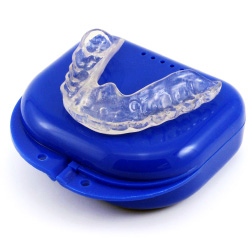
- Most Popular
- Hard Outside, Soft Inside
- 2MM Thick
- Moderate / Heavy
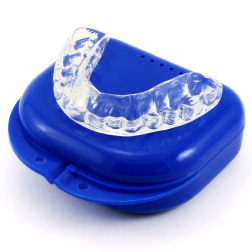
- Most Durable
- Hard Materials
- 1.5MM Thick
- Heavy / Severe
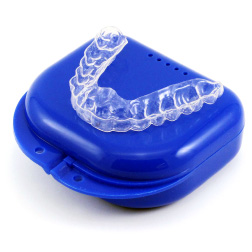
- For Day Time Use
- Thin, Barely Visible
- 1MM Thick
- Light / Moderate
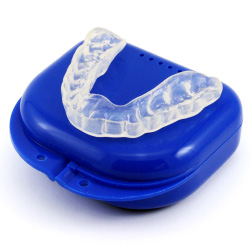
- For Clenching
- Flexible & Soft
- 1.5MM Thick
- Light / Moderate