Psoriatic Arthritis Teeth Grinding
14th Dec 2025
If you have psoriatic arthritis and you're also grinding your teeth or feeling jaw pain, you're not alone. Many people with this condition notice tightness in the jaw or clenching during sleep.
This post explains how psoriatic arthritis and teeth grinding might be connected, what symptoms to watch for, and what you can do to feel better. We'll also share simple ways to protect your teeth and manage discomfort.
Can Psoriatic Arthritis Cause Teeth Grinding?
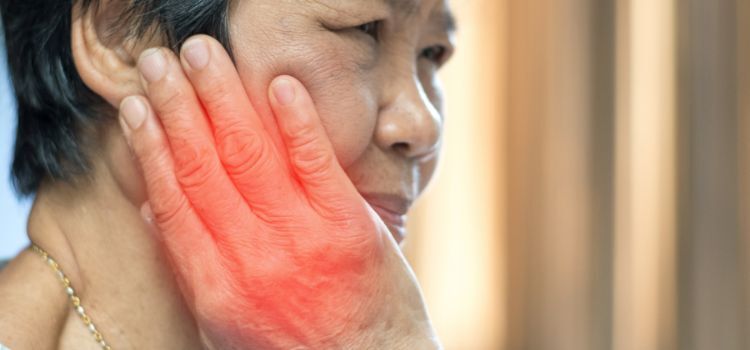
Psoriatic arthritis doesn’t just affect your hands or knees, it can also involve your jaw. The temporomandibular joint (TMJ), which connects your jawbone to your skull, can become inflamed in people with psoriatic arthritis. This may lead to jaw stiffness, pain, and even teeth grinding or clenching.
According to the Arthritis Foundation and Mayo Clinic, TMJ issues are a possible symptom of psoriatic arthritis due to joint inflammation that affects various parts of the body, including the jaw.
A 2015 study published in the Journal of Clinical and Experimental Dentistry found that people with psoriatic arthritis had a higher rate of TMJ dysfunction and bruxism compared to those with skin psoriasis or no psoriasis at all. This suggests a strong link between the condition and teeth grinding, especially when inflammation reaches the jaw joint.
Note: Stress from chronic pain and side effects from certain medications used to treat psoriatic arthritis may also increase the risk of teeth grinding, especially at night, when it's harder to notice.
Related Articles:
Symptoms of Teeth Grinding and TMJ in Psoriatic Arthritis
If you have psoriatic arthritis and you’re waking up with jaw pain or headaches, teeth grinding (also called bruxism) could be the cause. When the temporomandibular joint (TMJ) becomes inflamed, as it can in autoimmune conditions, it may lead to clenching, grinding, or stiffness, especially during sleep.
A study published in 2015 also found a higher rate of TMJ dysfunction and bruxism in individuals with psoriatic arthritis, confirming a clinical overlap between joint inflammation and grinding behavior.
Here are some common symptoms to watch for:
- Jaw pain or stiffness, especially in the morning
- Clicking or popping sounds when opening your mouth
- Headaches, especially around the temples
- Sore or tight facial muscles
- Tooth sensitivity or worn-down teeth
- Earaches or a feeling of pressure near the ears
- Disrupted sleep or feeling tired in the morning
Pro Tip: If you notice any of these signs, it’s a good idea to speak with your dentist or doctor. Catching these symptoms early can help reduce pain and protect your teeth from long-term damage.
How to Relieve Teeth Grinding if You Have Psoriatic Arthritis
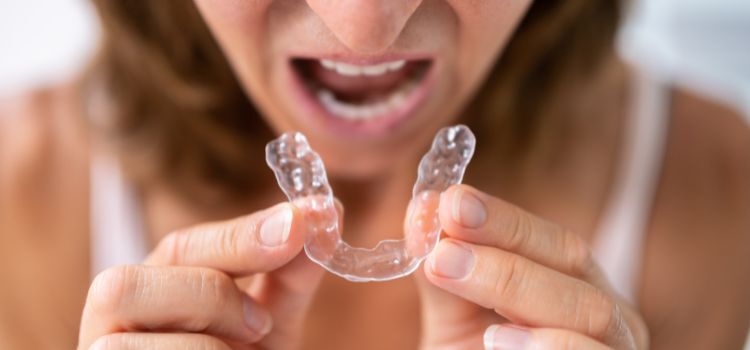
Dealing with jaw pain or teeth grinding on top of psoriatic arthritis can feel overwhelming, but there are simple ways to manage both. The goal is to reduce strain on your jaw, protect your teeth, and ease discomfort.
Wear a Custom Night Guard
A night guard creates a soft barrier between your upper and lower teeth, helping to prevent damage from grinding or clenching while you sleep. It also reduces pressure on the jaw joint. For people with psoriatic arthritis, a custom-fit guard is often the most comfortable option, as it fits snugly without adding extra strain to the jaw.
According to a review in Verywell Health, “some people with sleep bruxism… find pain relief by wearing a fitted mouth guard or splint at night”
Manage Stress and Pain
Chronic pain and stress from psoriatic arthritis can increase teeth grinding. Techniques like deep breathing, meditation, journaling, and gentle stretching can help calm your body and reduce clenching, especially before bed.
Try Jaw Exercises or Physical Therapy
Some physical therapists or dentists may recommend exercises to help improve jaw mobility and relieve muscle tension. These can include gentle stretches or massage techniques around the TMJ.
Talk to Your Doctor
If your symptoms get worse, speak to your rheumatologist or dentist. They may adjust your treatment plan or suggest other tools like muscle relaxants, anti-inflammatory medications, or a referral to a TMJ specialist.
Related Articles:
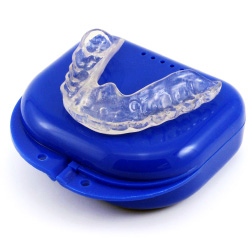
- Most Popular
- Hard Outside, Soft Inside
- 2MM Thick
- Moderate / Heavy
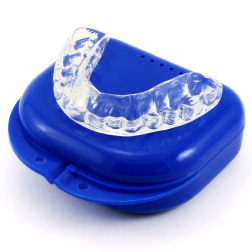
- Most Durable
- Hard Materials
- 1.5MM Thick
- Heavy / Severe
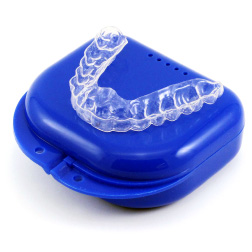
- For Day Time Use
- Thin, Barely Visible
- 1MM Thick
- Light / Moderate
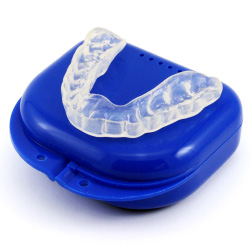
- For Clenching
- Flexible & Soft
- 1.5MM Thick
- Light / Moderate
When to See a Dentist or Doctor
It’s easy to brush off jaw pain or teeth grinding as stress, but if you have psoriatic arthritis, these symptoms might be a sign that your jaw joint is inflamed or under strain. Getting help early can prevent more damage and reduce your discomfort.
Here are signs it’s time to speak with a dentist or doctor:
- Your jaw feels stiff, sore, or painful regularly
- You hear clicking or popping sounds when you chew or yawn
- You wake up with headaches or facial tightness
- Your teeth look worn down or feel more sensitive than usual
- You notice chipped, cracked, or broken teeth
- Your sleep is disrupted because of clenching or grinding
Note: If you're not sure who to see first, start with your dentist. They can check for signs of bruxism or TMJ issues and may refer you to a specialist if needed. Your rheumatologist can also help if inflammation is involved.
FAQs: Psoriatic Arthritis and Teeth Grinding
1. Is teeth grinding common with psoriatic arthritis?
While not everyone with psoriatic arthritis grinds their teeth, jaw tension and stress from the condition can make bruxism more likely, especially at night.
2. What does teeth grinding feel like?
You might not notice it right away, but signs include jaw soreness, headaches, clicking sounds, tooth sensitivity, or worn-down teeth.
3. Should I wear a night guard if I have psoriatic arthritis and grind my teeth?
A custom night guard can help protect your teeth, ease jaw discomfort, and reduce pressure on the TMJ, especially if you grind at night. However, it's best to consult your dentist first to make sure a night guard is the right option for your specific needs.
4. Who should I talk to about jaw pain or teeth grinding?
Start with your dentist, they can check for signs of bruxism or TMJ issues. Your rheumatologist can also help if inflammation is contributing to your symptoms.
5. Can psoriatic arthritis affect the jaw?
Yes. Psoriatic arthritis can cause inflammation in the temporomandibular joint (TMJ), leading to jaw pain, stiffness, and limited movement.
Final Thoughts: Managing Psoriatic Arthritis and Teeth Grinding
Teeth grinding isn’t always the first thing that comes to mind with psoriatic arthritis, but jaw pain, clenching, and bruxism are more common than many people realize. Whether it’s caused by inflammation in the jaw, stress from chronic pain, or a mix of both, these symptoms can add to your daily discomfort if left untreated.
If teeth grinding is adding to your psoriatic arthritis pain, consider a custom night guard from Pro Teeth Guard. Our professionally made guards are designed for comfort and long-term protection. Explore our custom night guards today and take the first step toward healthier teeth and a better night’s sleep.
References:
- Arthritis Foundation. (n.d.). Psoriatic arthritis. Retrieved July 18, 2025, from https://www.arthritis.org/diseases/psoriatic-arthritis/
- Mayo Clinic Staff. (2023, April 5). Psoriatic arthritis – Symptoms & causes. Mayo Clinic. Retrieved July 18, 2025, from https://www.mayoclinic.org/diseases-conditions/psoriatic-arthritis/symptoms-causes/syc-20354076
- Crincoli, V., Di Comite, M., Di Bisceglie, M. B., Fatone, L., & Favia, G. (2015). Temporomandibular disorders in psoriasis patients with and without psoriatic arthritis: An observational study. International Journal of Medical Sciences, 12(4), 341–348. https://doi.org/10.7150/ijms.11288
- Crincoli, V., Di Comite, M., Di Bisceglie, M. B., Fatone, L., & Favia, G. (2015). Temporomandibular disorders in psoriasis patients with and without psoriatic arthritis: An observational study. International Journal of Medical Sciences, 12(4), 341–348. https://doi.org/10.7150/ijms.11288
- Madormo, C. (2025, March 26). 10 effective strategies to stop grinding your teeth. Verywell Health. Retrieved July 18, 2025, from https://www.verywellhealth.com/how-to-stop-grinding-teeth-8781722
- Most Popular
- Hard Outside, Soft Inside
- 2MM Thick
- Moderate / Heavy
- Most Durable
- Hard Materials
- 1.5MM Thick
- Heavy / Severe
- For Day Time Use
- Thin, Barely Visible
- 1MM Thick
- Light / Moderate
- For Clenching
- Flexible & Soft
- 1.5MM Thick
- Light / Moderate