Short Teeth? Causes, Fixes, and How to Prevent More Wear
9th Dec 2025
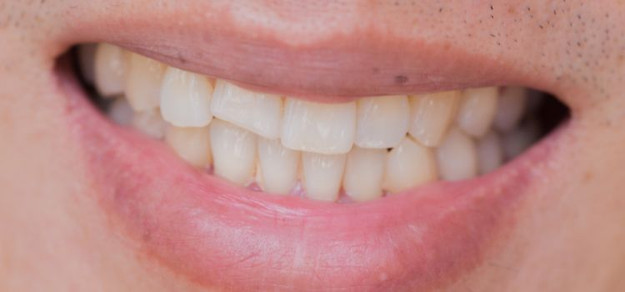
If your teeth look short or worn down, there’s usually a reason behind it. Common causes include teeth grinding, acid wear, or natural wear over time.
In this guide, you’ll learn what causes short teeth, how to fix them, and how to prevent further damage, like using a custom-fit night guard for grinding.
Why Are My Teeth So Short?
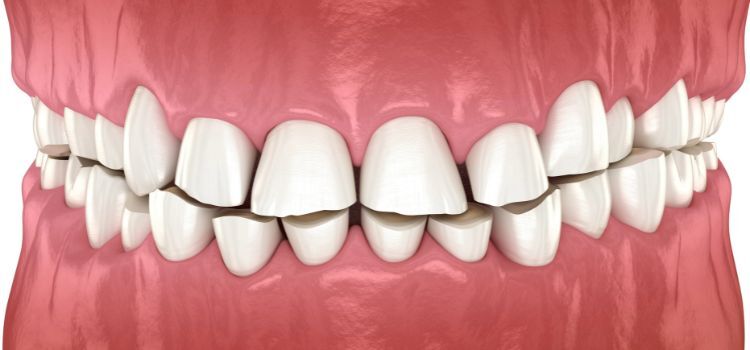
Teeth Grinding (Bruxism)
Grinding or clenching your teeth puts a lot of pressure on them, especially at night. Over time, this can flatten or shorten the edges of your teeth without you even noticing.
Acid Wear
Acids from soda, citrus drinks, acid reflux, or frequent vomiting can slowly eat away at your tooth enamel. Once the enamel wears down, your teeth can appear shorter and feel more sensitive.
Natural Wear and Tear
It’s normal for teeth to wear down a little as we age, especially if you chew on hard foods or have bite issues. For some people, this wear happens faster and makes the teeth look small or uneven.
Genetics
Some people are simply born with naturally shorter or smaller teeth. This can be a cosmetic concern but isn’t always a dental health issue.
Gum Recession
If your gums pull back, more of the root shows and the teeth may look shorter, even if the tooth itself hasn’t worn down.
Related Articles:
- Does Teeth Grinding Cause Gum Recession?
- Teeth Before and After Grinding
- Worn Down Teeth Causes and Treatment
Are Your Teeth Getting Shorter from Teeth Grinding?
Grinding or clenching teeth, known as bruxism, is a common cause of tooth wear. Research shows about 22% of people grind their teeth, either during the day or at night.
Studies link bruxism to noticeable tooth wear and morning jaw pain. One review found people with sleep or awake bruxism often wake up with jaw muscle soreness or headaches.
Another study showed bruxism increases the risk of significant tooth wear, especially when combined with acid reflux.
Here are common signs you may be grinding:
- Flattened or chipped teeth
- Jaw pain or tightness in the morning
- Headaches when you wake up
- Sensitive teeth
- Clicking or popping in the jaw joint
Note: Over time, research shows that bruxism can make your teeth appear shorter, wear down enamel, and even damage dental restorations like crowns Early action can help prevent this damage.
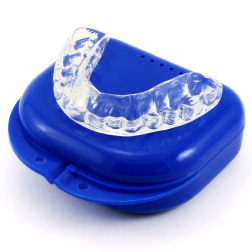
- Most Popular
- Hard Outside, Soft Inside
- 2MM Thick
- Moderate / Heavy
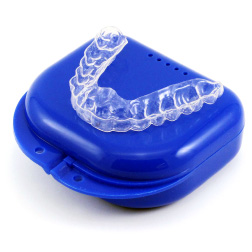
- Most Durable
- Hard Materials
- 1.5MM Thick
- Heavy / Severe
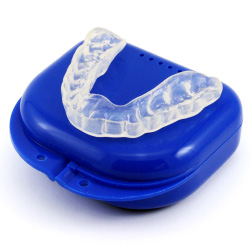
- For Day Time Use
- Thin, Barely Visible
- 1MM Thick
- Light / Moderate
- For Clenching
- Flexible & Soft
- 1.5MM Thick
- Light / Moderate
How a Night Guard Can Help Protect Short Teeth
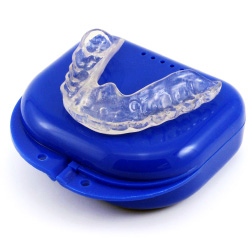
If you grind your teeth at night, a night guard can help stop them from getting shorter. It works by placing a protective layer between your upper and lower teeth, so they don’t grind against each other.
Studies have also shown that grinding your teeth can make short teeth even worse. It not only wears down teeth but can also lead to jaw pain, headaches, or damage to fillings and crowns.
This helps prevent more wear, reduces pressure on your jaw, and can even ease morning headaches or jaw soreness. Night guards also protect dental work like crowns or fillings from damage.
Custom-fit night guards are more comfortable and effective than store-bought ones because they’re made to fit your teeth perfectly. They stay in place better and are easier to wear while you sleep.
Pro Tip: Using a custom-fit night guard every night is one of the best ways to protect your teeth and avoid further damage.
What Problems Can Short Teeth Cause?
Short teeth can affect both how your smile looks and how your mouth feels.
Many people feel self-conscious about their smile if their teeth look small or worn down. A study found that people with worn teeth were more likely to feel unhappy with how their teeth looked and said it affected their daily life.
According to the article The Prevalence of Tooth Wear in the Adult Population, worn teeth can lead to increased sensitivity. When the protective enamel wears down, the inner layer of the tooth becomes exposed, causing discomfort when eating or drinking something hot, cold, or sweet.
Note: If your bite changes because of short teeth, it can put more pressure on your jaw joints, sometimes causing clicking or soreness.
How to Fix Short Teeth
There are several ways to fix short teeth, depending on what’s causing the problem and how worn they are.
Dental Bonding
This is a quick and affordable option where tooth-colored material is added to the teeth to make them look longer. It’s good for mild wear and cosmetic fixes.
Veneers
Thin porcelain shells are placed on the front of your teeth to improve their size and shape. Veneers look natural and last longer than bonding.
Dental Crowns
For teeth that are badly worn or damaged, crowns cover the entire tooth and restore its shape and strength. Crowns are often used when more protection is needed.
Orthodontic Treatment
If your short teeth are caused by bite problems, braces or clear aligners might help realign your bite before doing any cosmetic work.
Pro Tip: Your dentist will check your teeth and recommend the best option based on your needs. In many cases, combining treatments gives the best result—like fixing the bite first, then restoring the teeth.
Related Articles:
When to See a Dentist for Short Teeth
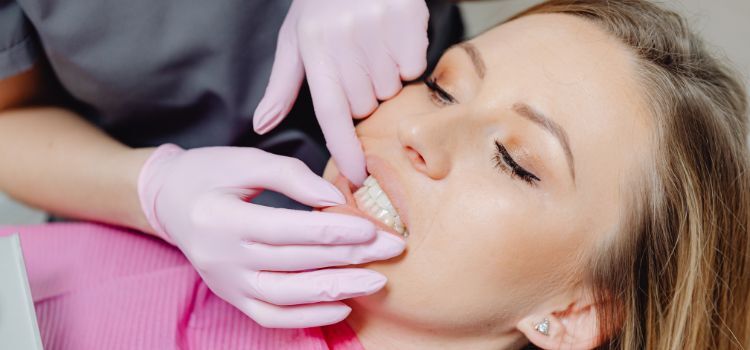
If your teeth look shorter, feel sensitive, or your bite feels different, it’s a good idea to see a dentist.
They can check for signs of wear, grinding, or bite problems and let you know what’s causing the issue. The sooner you get help, the easier it is to stop further damage and choose the right fix.
You should also see a dentist if:
- Your teeth are chipped or uneven
- You feel jaw pain or tightness
- You often wake up with headaches
- You’re unsure if you’re grinding your teeth
Note: A dentist can recommend the best treatment, whether it’s bonding, veneers, crowns, or a custom night guard.
FAQs About Short Teeth
1. Will a night guard help with short teeth?
A night guard won’t make teeth longer, but it can stop further damage caused by grinding.
2. Is it bad to have short teeth?
Short teeth can lead to sensitivity, bite issues, or jaw pain if left untreated. They can also affect the way your smile looks.
3. How can I stop my teeth from getting shorter?
Wearing a night guard, avoiding acidic foods, managing stress, and visiting your dentist regularly can help prevent further wear.
Conclusion
Short teeth can be caused by grinding, acid wear, or normal wear over time, but the good news is, there are simple ways to fix and protect them. Treatments like bonding, veneers, or crowns can restore your smile, and using a night guard can help prevent further damage.
If grinding is the cause, a custom-fit night guard from Pro Teeth Guard can make a big difference. Our night guards are made in the same dental labs used by dentists, but at a more affordable price, delivered straight to your door.
References:
- Wikipedia contributors. (2024, June 26). Bruxism. Wikipedia. https://en.wikipedia.org/wiki/Bruxism
- Voß, A. M., Peters, E. M., & Schwahn, C. (2023). Bruxism, temporomandibular disorders, and headache: A narrative review of correlations and causalities. Journal of Oral Rehabilitation. Advance online publication. https://doi.org/10.1111/joor.xxx
- Li, Y., Yu, F., Niu, L., Hu, W., Long, Y., Tay, F. R., & Chen, J. (2018). Associations among bruxism, gastroesophageal reflux disease, and tooth wear. Journal of Clinical Medicine, 7(11), 417. https://doi.org/10.3390/jcm7110417
- Thayer, M. L. T., & Ali, R. (2022). The dental demolition derby: bruxism and its impact – part 3: repair and reconstruction. British Dental Journal, 232(11), 775–782. https://doi.org/10.1038/s41415-022-4293-8
- Sterenborg, B. A. M. M., Bronkhorst, E. M., Wetselaar, P., Lobbezoo, F., Loomans, B. A. C., & Huysmans, M.-C. D. N. J. M. (2018). The influence of management of tooth wear on oral health-related quality of life. Clinical Oral Investigations, 22(7), 2567–2573. https://doi.org/10.1007/s00784-018-2355-8
- Sharma, M., Goyal, K., Nayak, S. U., Kundra, R., Bhumra, A., & Shenoy, R. (2023). The prevalence of tooth wear in adult population and its impact on quality of life: A cross-sectional study. World Journal of Oral and Dental Sciences, 14(5), 4–12. https://doi.org/10.5005/jp-journals-10015-2236
- Most Popular
- Hard Outside, Soft Inside
- 2MM Thick
- Moderate / Heavy
- Most Durable
- Hard Materials
- 1.5MM Thick
- Heavy / Severe
- For Day Time Use
- Thin, Barely Visible
- 1MM Thick
- Light / Moderate
- For Clenching
- Flexible & Soft
- 1.5MM Thick
- Light / Moderate