Swollen Gums from Teeth Grinding? Causes & Relief
29th Nov 2025
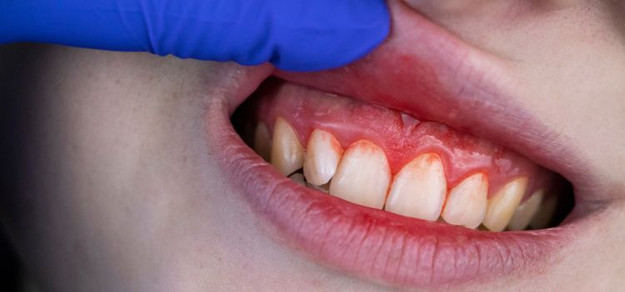
Swollen or sore gums? It’s not always caused by brushing too hard or missing a few days of proper oral care. Sometimes, the real reason is teeth grinding, also known as bruxism.
When you grind or clench your teeth, it puts constant pressure on your gums. Over time, this pressure can lead to swelling, pain, and even gum recession.
We’ll explore how bruxism affects your gums and what you can do to relieve the discomfort. The good news? With the right care, it’s manageable.
Can Teeth Grinding or Clenching Cause Swollen Gums?

Although no large‑scale study conclusively shows that bruxism causes gum swelling, several pieces of research suggest that the extra pressure from grinding or clenching may worsen gum issues or speed up gum recession under certain conditions.
For example, one study found that 60.7 % of bruxers had gingival recessions.
Another long‑term study showed recession rates rising in bruxism patients over 1‑3 years.
One study found that patients with periodontal disease show higher rates of awake bruxism than sleep bruxism. However, the study did not find a statistically significant link between bruxism signs and the severity of periodontal disease.
Note: While there’s no conclusive evidence that teeth grinding or clenching directly causes swollen gums, mechanical stress from bruxism can make existing gum problems worse.
What Do Swollen Gums Feel Like?
Swollen gums often feel puffy, tender, or sore to the touch. You might notice a slight throbbing or aching, especially when brushing, flossing, or eating.
Common signs include:
- A feeling of pressure or fullness around the teeth
- Gums that look red or puffier than usual
- Sensitivity when you brush or chew
- Mild bleeding when brushing or flossing
- A general feeling of discomfort in your mouth
Note: If your gums feel swollen mostly in the morning, it could be linked to teeth grinding while you sleep. Pay attention to when the discomfort starts or worsens—it can help you and your dentist figure out the cause.
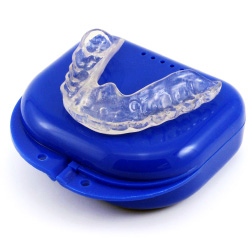
- Most Popular
- Hard Outside, Soft Inside
- 2MM Thick
- Moderate / Heavy
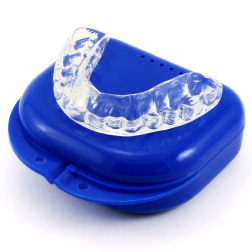
- Most Durable
- Hard Materials
- 1.5MM Thick
- Heavy / Severe
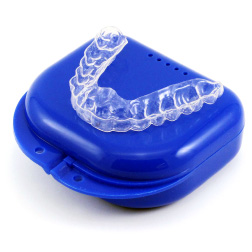
- For Day Time Use
- Thin, Barely Visible
- 1MM Thick
- Light / Moderate
- For Clenching
- Flexible & Soft
- 1.5MM Thick
- Light / Moderate
How to Relieve Gum Pain from Teeth Grinding
Wear a Night Guard
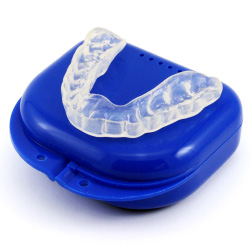
A custom-fit night guard helps reduce pressure on your teeth and gums while you sleep.
Brush Gently
Use a soft-bristled toothbrush and avoid pressing too hard to prevent further irritation.
Rinse with Warm Salt Water
This simple home remedy can soothe swollen or tender gums.
Use a Cold Compress
Apply it to your cheek to help reduce gum swelling and discomfort.
Manage Stress
Stress can trigger or worsen grinding. Try deep breathing, meditation, or jaw exercises.
Stay Hydrated
Drink plenty of water to prevent dry mouth, which can make gum issues worse.
Visit Your Dentist if Pain Persists
If your gum pain doesn’t improve, a dentist can check for underlying issues and recommend proper treatment.
Related Articles:
- Guide to Choosing the Right Night Guard
- How to Get Used to Wearing a Night Guard
- Swollen Gums From Mouth Guard
What Is Bruxism?
Bruxism means grinding or clenching your teeth. It often happens during sleep, but some people do it while they’re awake—especially when stressed or focused.
There are two types:
Teeth Grinding: Moving your teeth side to side
Teeth Clenching: Pressing your teeth together tightly
Bruxism can put a lot of pressure on your teeth and gums, which may lead to pain, swelling, or even damage.
Note: Common signs include a sore jaw, headaches, tooth sensitivity, or sore gums—especially in the morning.
Related Articles:
- Gum Pain In The Back Of Mouth
- Does Teeth Grinding Cause Gum Recession?
- Best Vitamins for Strong Teeth and Healthy Gums
Bruxism and Gum Recession: What’s the Link?

Bruxism isn’t a direct cause of gum recession, but it can contribute.
Research shows that gum recession can result from constant mechanical stress, like brushing too hard or repeated trauma. Teeth grinding or clenching creates similar pressure on teeth and gums.
Over time, this stress can cause the gums to pull back, especially if they’re already thin or inflamed. This exposes the roots and may lead to sensitivity, pain, or tooth damage.
Note: So while bruxism may not be the main cause, it can make gum recession worse, especially with other risk factors. A custom-fit night guard and early treatment can help protect your teeth and gums.
Other Possible Causes of Swollen Gums
Teeth grinding isn’t the only reason your gums might feel swollen or sore. Other common causes include:
Gum disease (gingivitis or periodontitis) – Often caused by plaque buildup
Brushing too hard – Can irritate or damage your gum tissue
Poor oral hygiene – Skipping brushing or flossing can lead to inflammation
Hormonal changes – Especially during pregnancy or menstruation
Certain medications – Some can affect how your gums react or heal
Research shows that up to 45% of adults in developed countries suffer from gingivitis and chronic periodontitis, making it the leading cause of tooth loss among adults.
Note: If you're not sure what's causing your gum issues, it’s best to see your dentist. They can check for signs of gum disease or other problems that may need treatment.
When to See a Dentist
If your gums stay swollen or sore, it’s best to see a dentist. You should also get checked if your gums bleed, look like they’re pulling away from your teeth, or if your teeth feel loose.
Pain that doesn’t go away, jaw soreness, or worn-down teeth can also be signs of teeth grinding.
A dentist can find out what’s causing the problem and help you feel better before it gets worse.
FAQs:
1. Why do my gums hurt more in the morning?
If your gums feel sore when you wake up, it may be due to nighttime teeth grinding or clenching. This pressure happens while you sleep and can make your gums feel tender by morning.
2. Can bruxism cause bleeding gums?
Bruxism doesn’t usually cause bleeding gums directly. But if your gums are already irritated from gum disease, grinding can make them more likely to bleed during brushing or flossing.
3. Is gum pain from teeth grinding permanent?
Not usually. Gum pain from grinding often goes away once the pressure is managed. But if left untreated, it can lead to long-term issues like gum recession and tooth sensitivity.
Conclusion
Swollen or painful gums can be uncomfortable, especially if you don’t know what’s causing it. While teeth grinding doesn’t always directly cause gum problems, it can make existing issues worse.
There are simple ways to protect your gums, like using a custom night guard, brushing gently, and managing stress. And if the pain doesn’t go away, your dentist can help.
Taking care of your teeth and gums now can prevent bigger problems later. With the right steps, you can feel better and protect your smile.
References:
- Cavieres, B., Cuellar, E., Nally, M., Anwandter, A., & Ortuño, D. (2024). Factors associated with gingival recession prevalence in undergraduate students of the Faculty of Dentistry of the Universidad de los Andes in the year 2022. Medwave, 24(8), e2784. https://doi.org/10.5867/medwave.2024.08.2784
- Saleeva, G. T., Saleev, R. A., Mustakimova, R. F., & Saleeva, L. R. (2020). Formation of the gingival recession in patients with bruxism. Actual Problems in Dentistry, 16(3), 60-65. https://doi.org/10.18481/2077-7566-2020-16-3-60-65
- Nakayama, R., Nishiyama, A., & Shimada, M. (2018). Bruxism-related signs and periodontal disease: a preliminary study. The Open Dentistry Journal, 12, 400–405. https://doi.org/10.2174/1874210601812010400
- MehtaKnol. (2012, February 28). Bruxism: Tooth grinding and clenching. MehtaKnol. Retrieved June 10, 2025, from https://mehtaknol.wordpress.com/2012/02/28/bruxism-tooth-grinding-and-clenching/
- Tugnait, A., & Clerehugh, V. (2001, August). Gingival recession—its significance and management. Journal of Dentistry, 29(6), 381–394. https://doi.org/10.1016/S0300-5712(01)00035-5
- Wilson, M., & Wilson, P. J. K. (2021). Gum diseases. In Close encounters of the microbial kind (pp. 293–308). In M. A. Peres, J. L. F. Antunes, & R. G. Watt (Eds.), Oral epidemiology: A textbook on oral health conditions, research topics and methods. Springer. https://doi.org/10.1007/978-3-030-56978-5_21
- Most Popular
- Hard Outside, Soft Inside
- 2MM Thick
- Moderate / Heavy
- Most Durable
- Hard Materials
- 1.5MM Thick
- Heavy / Severe
- For Day Time Use
- Thin, Barely Visible
- 1MM Thick
- Light / Moderate
- For Clenching
- Flexible & Soft
- 1.5MM Thick
- Light / Moderate