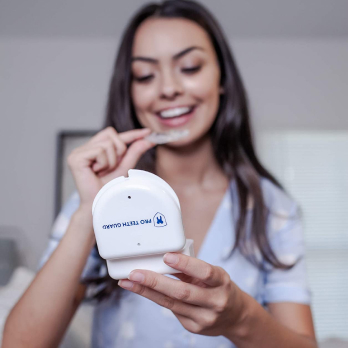
How Do I Know If My Night Guard Is Working?
14th Feb 2026
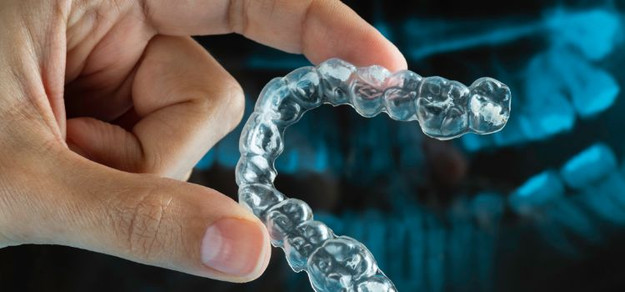
If you wear a night guard for teeth grinding or clenching, it’s normal to wonder if it’s actually doing its job. You might still wake up with jaw tightness, notice marks on the guard, or question whether the fit feels right.
A working night guard doesn’t need to feel dramatic to be effective. We'll walk you through clear, practical signs that your night guard is working, what’s normal during the adjustment period, and when it may be time to make a change.
How Can You Tell If Your Night Guard Is Working?
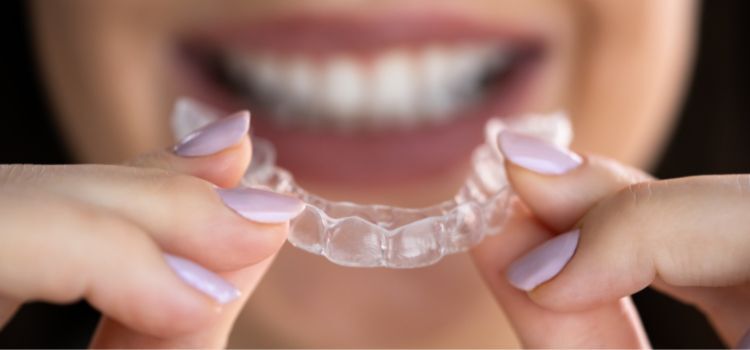
You can tell your night guard is working if it feels comfortable, stays in place overnight, protects your teeth from new damage, and helps reduce symptoms like jaw pain, headaches, or tooth sensitivity over time. Visible wear and bite marks on the night guard are also a sign it’s absorbing pressure from grinding or clenching.
Related Articles:
- How Long Does it Take for a Night Guard to Work?
- How Should a Night Guard Fit?
- How to Get Used to Wearing a Night Guard
What a Working Night Guard Should Do
A night guard doesn’t stop you from grinding your teeth. Instead, it works by:
- Creating a protective barrier between your upper and lower teeth
- Absorbing pressure from clenching and grinding
- Reducing stress on jaw muscles and joints
- Preventing further tooth wear, chips, or cracks
Note: If your teeth are protected and your symptoms are improving, your night guard is doing what it’s designed to do.
Signs Your Night Guard Is Working
Some positive signs may appear right away, while others take time. Common signs include:
Less jaw soreness or tightness in the morning
Fewer tension headaches or facial pain
Reduced tooth sensitivity
No new tooth damage since wearing the guard
Visible wear marks or bite impressions on the guard itself
Improved comfort sleeping with it consistently
Note: Wear marks are especially important. They mean the guard is taking the force so your teeth don’t have to.
How Long Does It Take for a Night Guard to Work?
Protection starts the first night you wear a night guard. Symptom relief, however, can take longer.
First few nights: Your teeth are protected, but your jaw may still feel sore
1–2 weeks: Jaw muscles often begin to relax
Several weeks: Headaches, tightness, and sensitivity may continue to improve
Note: If symptoms haven’t improved after a few weeks of consistent use, the fit or type of night guard may need adjustment.
Common Reasons a Night Guard Isn’t Effective
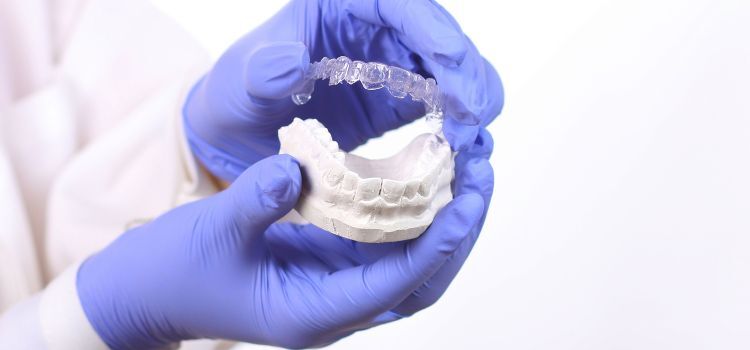
A night guard may fail to work properly if:
- The fit is poor or uneven
- It’s too soft or too thin for heavy grinding
- It’s worn inconsistently
- It’s damaged or excessively worn
- It’s a one-size-fits-all or boil-and-bite guard that doesn’t match your bite
Note: Custom-fit night guards are designed to address many of these issues by fitting your exact tooth alignment.
Related Articles:
- How Does A Night Guard Work?
- How Much Does A Night Guard Cost?
- Guide to Choosing the Right Night Guard
How a Properly Fitted Night Guard Should Feel
A properly fitted night guard should feel snug on your teeth without feeling tight or restrictive. It should stay securely in place throughout the night and not shift or fall out while you sleep.
When you bite down, the pressure should feel even across your teeth, without sharp spots or areas that dig into your gums or jaw.
Most importantly, it should feel comfortable enough that you can sleep through the night without constantly noticing it.
Note: Ongoing discomfort, pain, or bite changes are not normal and may indicate that the night guard does not fit correctly and needs adjustment or replacement.
When to Replace, Adjust, or Upgrade Your Night Guard
You may need to replace or upgrade your night guard if it shows signs of deep cracks, thinning, or visible damage from grinding. Changes in how the guard fits, such as feeling looser or uneven on your teeth, can also indicate that it’s no longer providing proper protection.
If jaw pain, headaches, or tooth sensitivity return after a period of improvement, your current night guard may no longer be effective. This is especially common for people who grind heavily and wear through guards more quickly than average.
Note: Upgrading to a custom-fit night guard can improve comfort, durability, and long-term protection by ensuring the guard fits your bite precisely and holds up better against ongoing grinding or clenching.
Frequently Asked Questions
Can I still grind my teeth if my night guard is working?
Yes. Grinding may still occur, but a working night guard protects your teeth by absorbing pressure and preventing damage.
Is it normal to see bite marks on my night guard?
Yes. Bite marks are normal and show that the night guard is taking the force from grinding or clenching instead of your teeth.
Can a night guard make symptoms worse?
Yes, if it fits poorly. An improperly fitted night guard can increase jaw pain or discomfort, which is why proper fit is essential.
How often should I replace my night guard?
Most night guards last 6 months to several years, depending on grinding severity, wear, and material quality.
Should I wear my night guard every night?
Yes. Wearing your night guard every night provides the most consistent protection and helps reduce grinding-related symptoms over time.
Conclusion
A night guard is working if it protects your teeth, feels comfortable, and helps reduce grinding-related symptoms over time. If you’re unsure about your current guard or still waking up with pain, it may be time to reassess the fit or quality.
At Pro Teeth Guard, we offer custom-fit night guards made from dentist-grade materials, designed to fit your bite precisely and provide long-lasting protection. A better fit can make a noticeable difference in comfort and results.
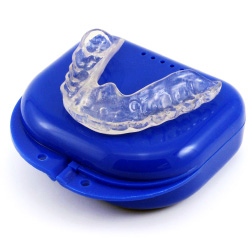
- Most Popular
- Hard Outside, Soft Inside
- 2MM Thick
- Moderate / Heavy
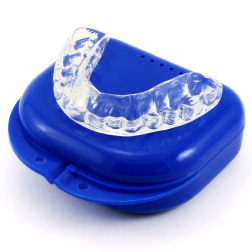
- Most Durable
- Hard Materials
- 1.5MM Thick
- Heavy / Severe
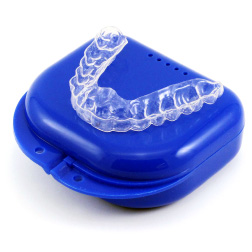
- For Day Time Use
- Thin, Barely Visible
- 1MM Thick
- Light / Moderate
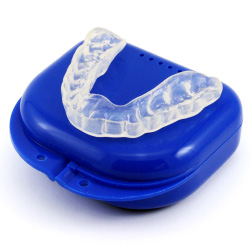
- For Clenching
- Flexible & Soft
- 1.5MM Thick
- Light / Moderate